Export-grade processing expansion.
Moving from bulk or block-frozen product into individually weighed, retail-ready or foodservice-ready packs to meet buyer specification for export markets.
 Get a quote
Industries / Frozen & IQF products
This page covers individually quick frozen and other discrete frozen products that remain separable enough to be weighed and packed as individual pieces — not frozen blocks, slabs, or products frozen together into a solid mass.
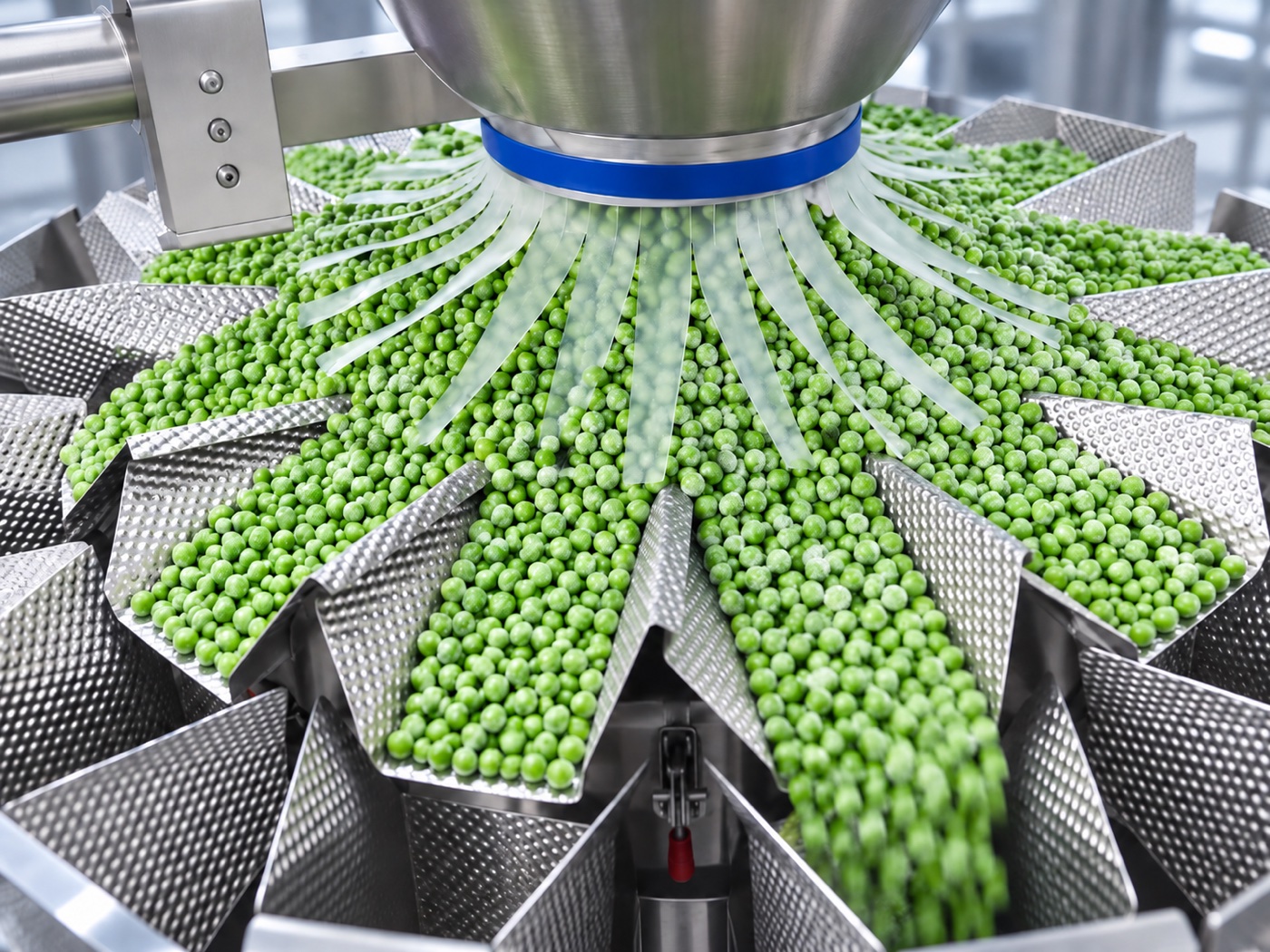
Sector context
Frozen and IQF handling introduces a different set of engineering problems than ambient dry product: temperature, moisture and the physical condition of the product as it leaves the freezer all affect how it can be conveyed, weighed and packed. Being discrete and separable is a starting condition, not on its own a confirmation that a given machine configuration suits the environment it will run in.
For many IQF processors, the packing investment sits downstream of an existing freezing process — the freezer and any dewatering stage are already in place, and the question is how product is weighed and packed once it leaves them. Common triggers include:
Moving from bulk or block-frozen product into individually weighed, retail-ready or foodservice-ready packs to meet buyer specification for export markets.
Adding a weighing and bagging stage downstream of an existing IQF freezing line, rather than continuing to pack by hand or in bulk cartons.
Running multiple pack sizes or formats — retail bag, foodservice bag, mixed-vegetable blend — off product previously sold in bulk.
Reducing giveaway and improving pack-weight consistency on high-volume frozen lines where product is already flowing at scale from an upstream freezing process.
Libratus machinery sits after the freezer, downstream of the freezing and dewatering process — it is not a substitute for that equipment.
Product behaviour
This page is scoped deliberately narrowly. In scope are discrete, individually frozen pieces that remain separable — frozen vegetables, berries and diced fruit, frozen seafood pieces including prawns and shrimp, frozen potato products, and comparable prepared frozen pieces.
Out of scope: frozen blocks or slabs, product frozen together into clumps, wet masses, sauces, slurry, ice cream, or any non-free-flowing frozen product. If product isn’t separable enough to flow through a weigher as individual pieces, it isn’t suited to this equipment category — that is a product and upstream-process question, not something a weigher configuration can solve.
Where product is genuinely separable, the relevant behaviours are:
Even properly processed IQF product can carry frost or partial clumping into the packing stage. Individual pieces need to reach the weigher in a separated, flowable condition; how that condition is achieved and maintained upstream is a product and process requirement confirmed with the processor, not something assumed or supplied by Libratus.
Frost, ice glaze and moisture on the product’s surface can change how much product occupies a hopper, how it feeds and loads, how stable the product flow is, and how much physical volume is needed to reach a target weight.
Some IQF pieces, particularly berries and some seafood presentations, are physically delicate and sensitive to drop height and transfer impact.
The product itself is well below ambient temperature, and moving cold product into a warmer plant environment creates condensation on contact surfaces, which is a practical handling and hygiene consideration for any equipment in that transfer path.
Operating challenges
This is worth stating plainly rather than glossing over: not every frozen product suits individual weighing and packing, and the boundary is a product and process question first. Separability and discreteness are necessary conditions — they are not, by themselves, confirmation that a given machine and configuration are suitable for the operating environment a customer is running.
Suitability also depends on:
These factors are confirmed against the customer’s actual product and plant conditions during specification, rather than assumed as a fixed capability of any machine category described on this page.
Machinery routes
Understand the problem, narrow the technology, then discuss it with us. Libratus confirms final machine selection during specification.
Every machine category below is subject to confirmation against the actual frozen product and the customer’s operating environment — a product being IQF does not by itself mean any given machine category is suitable.
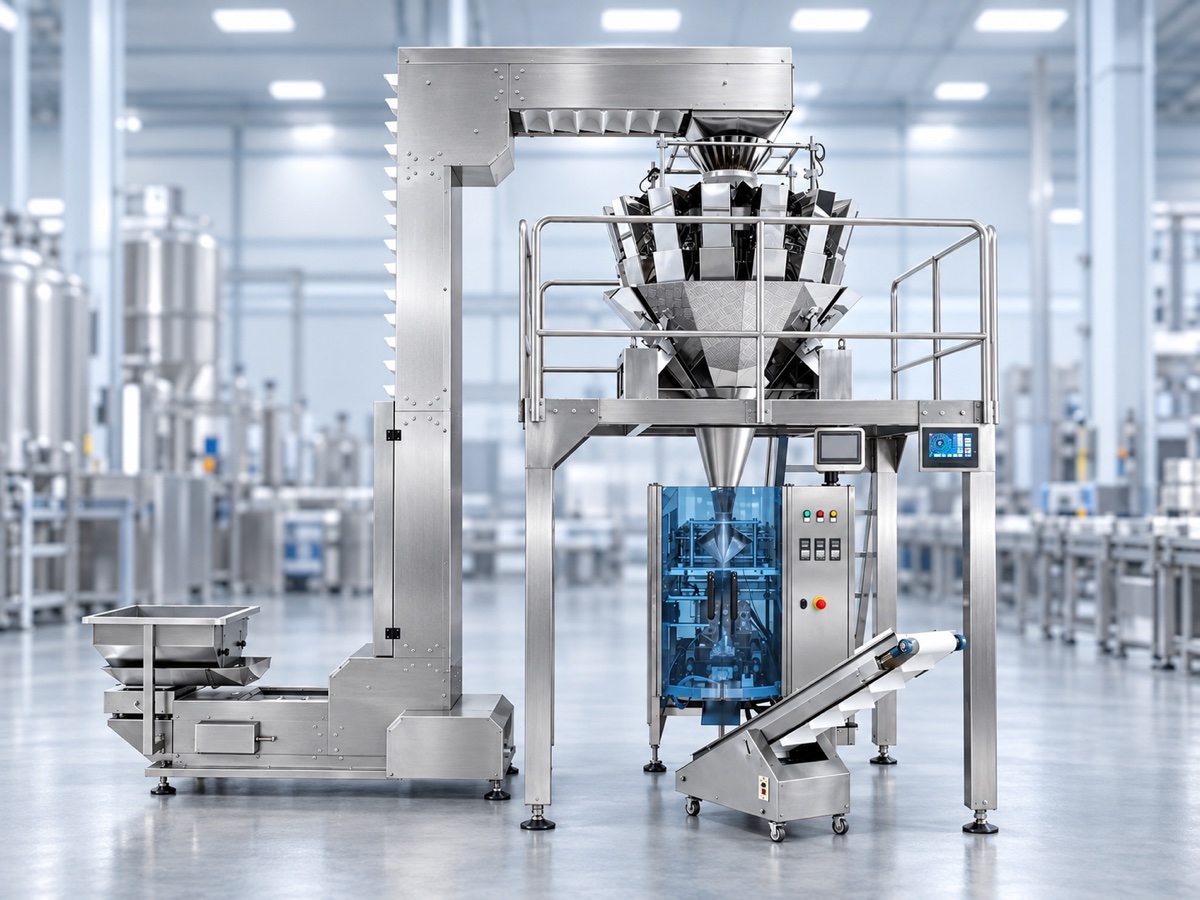
Multihead weighers suit free-flowing, separable IQF pieces at volume.
View multihead weighers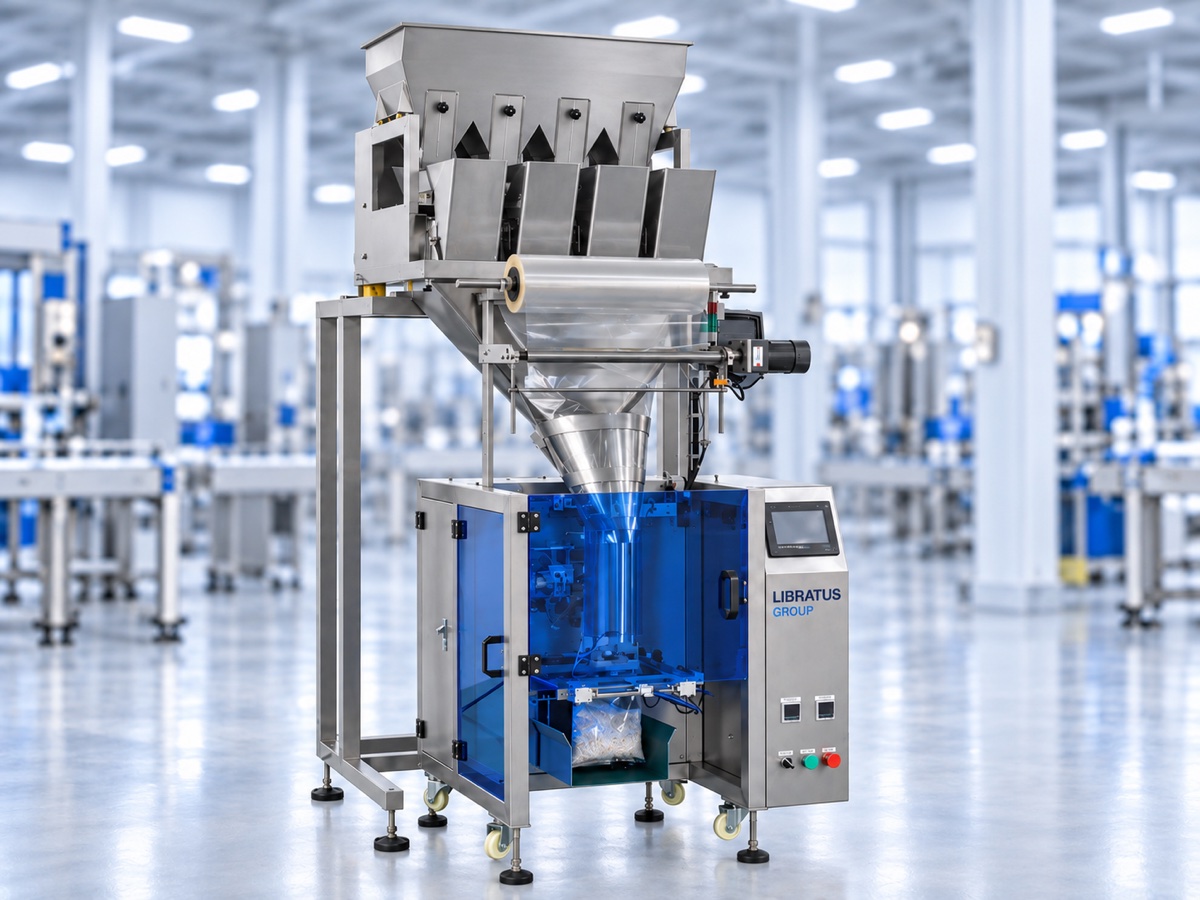
Linear weighers suit cases where product size, uniformity or fragility make a simpler weighing path more appropriate.
View linear weighers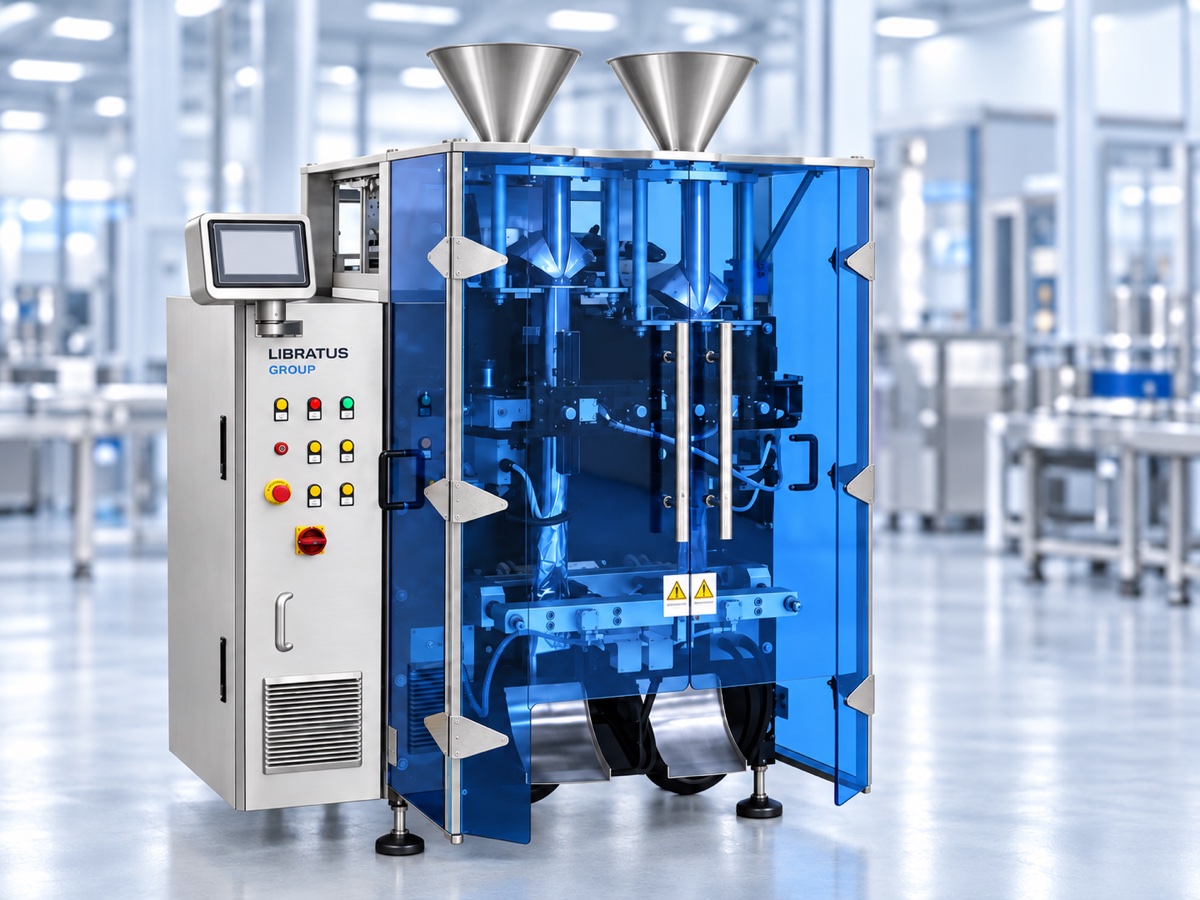
VFFS baggers suit bagged retail and foodservice frozen formats, where the format is confirmed as suitable for the configuration proposed.
View VFFS baggers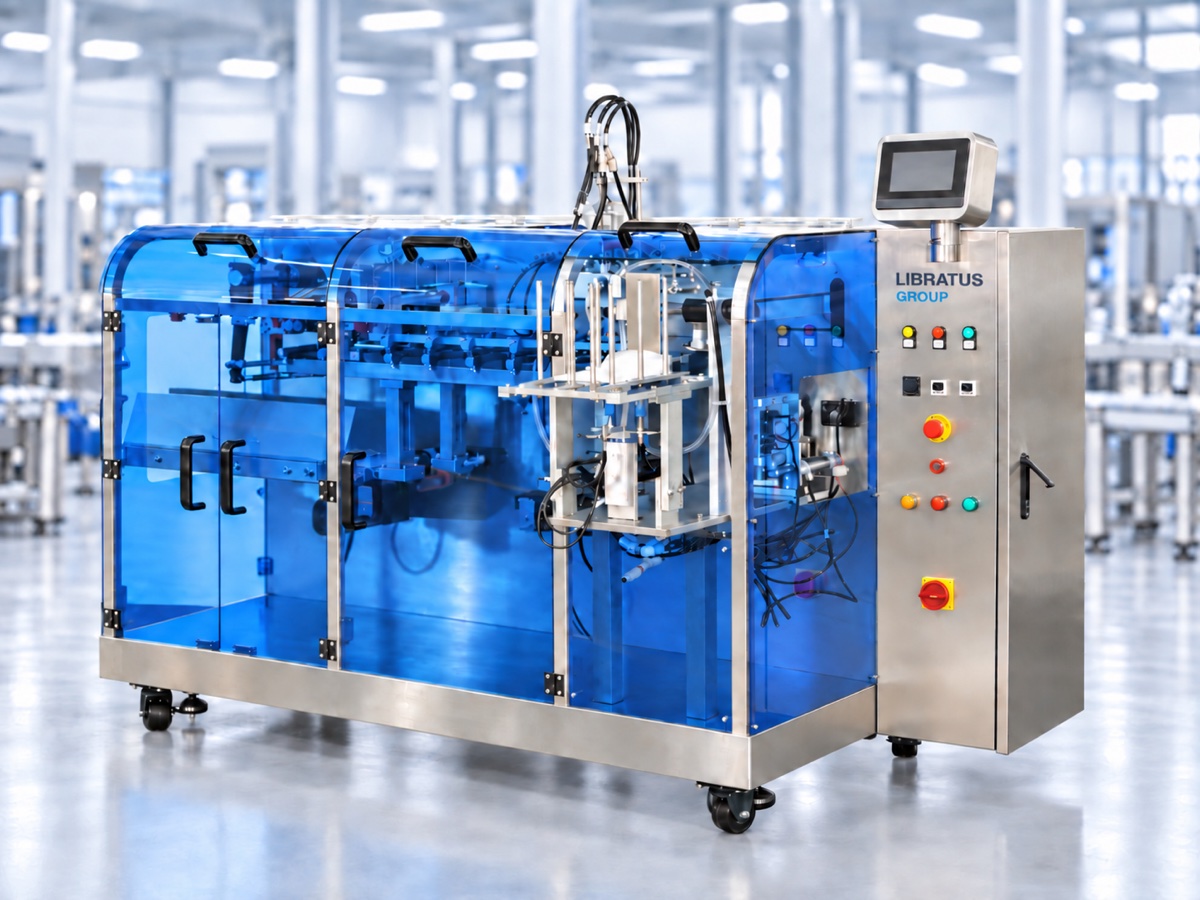
Premade pouch packing suits lines where a stand-up or resealable frozen format is required and technically suitable for the product.
View premade pouch machines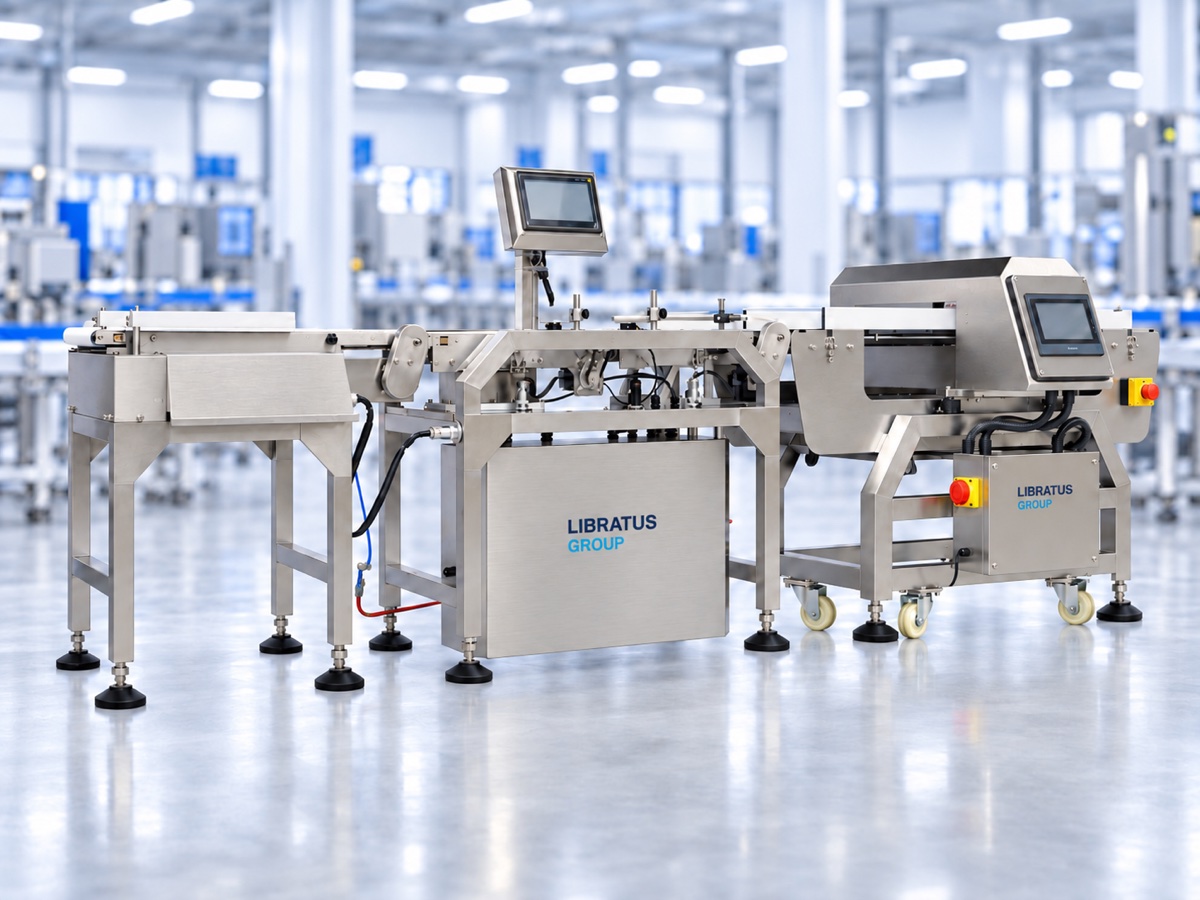
Checkweighers provide finished-pack verification; requirements vary by customer, market and product and are confirmed at specification stage.
View checkweighers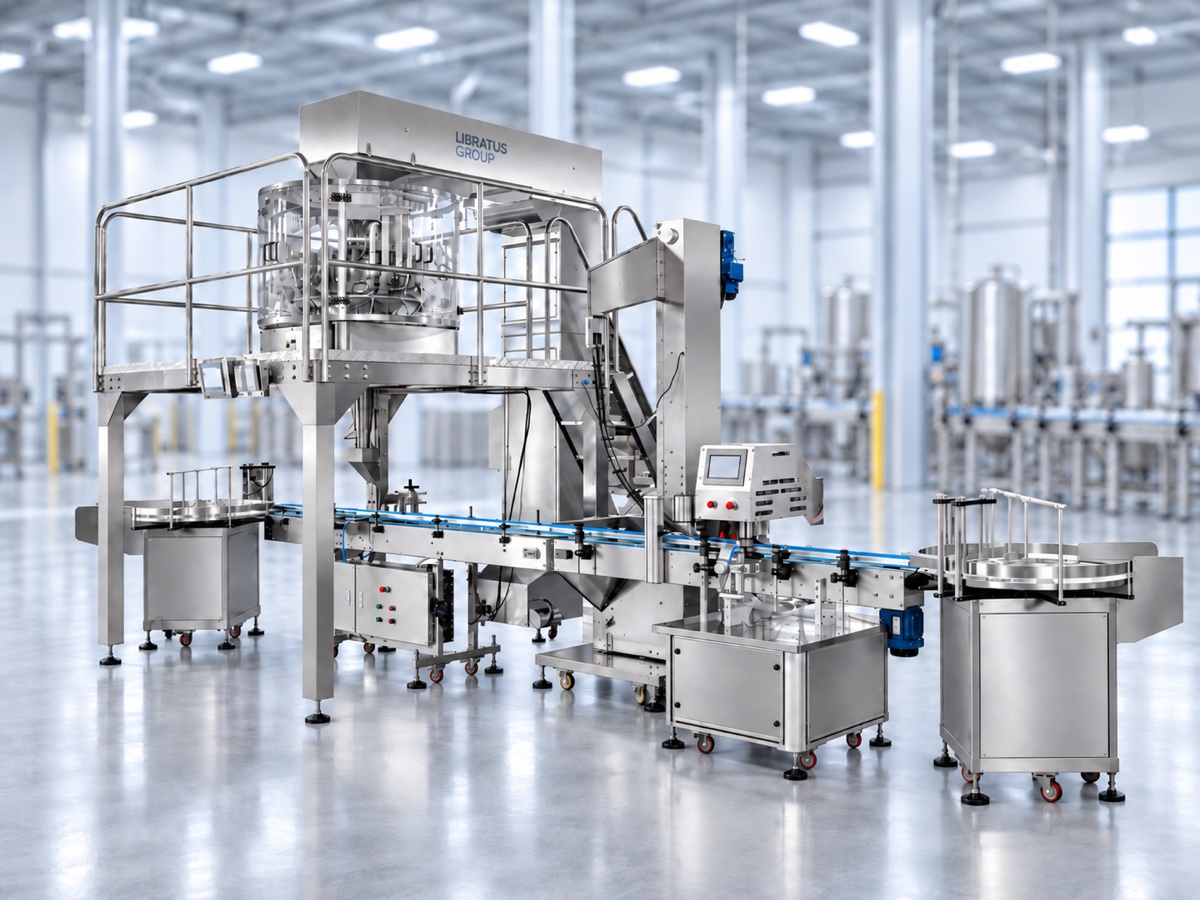
Conveying systems handle product transfer from the freezing/dewatering stage through to weighing and packing, specified against the product’s temperature, moisture and fragility characteristics.
Vacuum conveying is one possible configuration within this category — its suitability for a given frozen product depends on the specific product, moisture condition and line design, and it should not be assumed appropriate by default for frozen or IQF material.
Auger fillers are not relevant to this category.
Selection factors
Commonly used for frozen vegetables, diced fruit, berries and similarly sized IQF pieces, where the product and operating environment are confirmed as suitable and product is free-flowing.
May suit larger or more uniform frozen pieces — for example, larger seafood portions — where a simpler handling path may be preferable and, again, where the product and operating environment are confirmed as suitable.
Selection depends on piece size and uniformity, fragility, target throughput, and how much frost or bulk-density variation the product carries when it reaches the weigher — confirmed against the actual product and upstream process, not assumed from the product category alone.
Pack formats
Frozen and IQF lines commonly run bagged retail formats and larger foodservice or bulk bags, often across multiple SKUs (single-vegetable and blended-vegetable packs, for example) from the same upstream freezing plant.
Line configuration needs to account for the transfer distance and handling between the freezer/dewatering stage and the weigher, since this is where clumping, frost buildup and condensation risk are most relevant.
What we need from you
Documentation
Documentation requirements depend on the machine, the destination market, how the machine will be installed and used, and the customer’s own requirements. These are established during specification, and Libratus confirms what is supplied for the specific machine and configuration under consideration.
Enquiry
Tell us about your product, your freezing process, your plant environment, and your target pack formats, and we’ll confirm whether — and how — individual weighing and packing fits your line.
All industries