Scaling out of manual or semi-automatic packing.
A frying, baking, extrusion, roasting or coating line has outgrown hand-filled or single-head packing, and packing has become the bottleneck behind a higher-capacity process.
 Get a quote
Industries / Snacks & confectionery
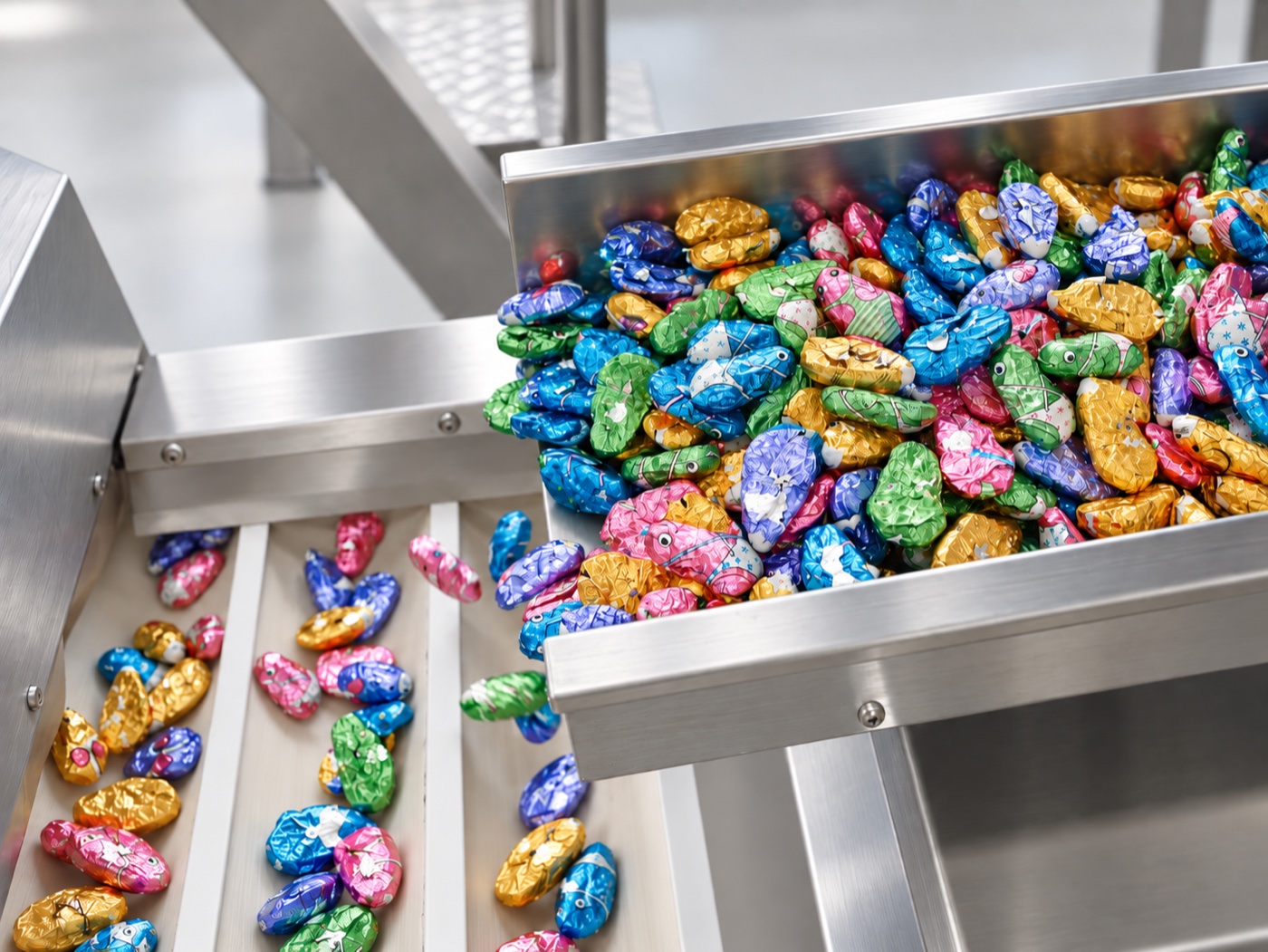
Snacks and confectionery is not one packing problem. A bag of extruded corn puffs, a pouch of whole cashews, and a mix of coated fruit-and-nut pieces each behave differently on a line — and the right weighing approach depends on which one you’re running.
Sector context
This category spans dense, uniform, free-flowing product at one end and fragile, mixed, irregularly shaped product at the other. Piece size, fragility, surface condition and whether a pack contains a single product or a blend of components all change what a weighing and packing line needs to do. Libratus specifies against the actual behaviour of your product, not a generic category assumption.
A frying, baking, extrusion, roasting or coating line has outgrown hand-filled or single-head packing, and packing has become the bottleneck behind a higher-capacity process.
Multiple pack sizes, flavour variants, promotional formats and private-label runs on the same line, requiring frequent changeovers without long downtime.
At high pack counts and low individual pack weight, recurring small overfill can become a meaningful cost across a production run, and is worth including in the investment calculation rather than treated as a rounding error.
Product returned from the line as fines or fragments represents both yield loss and a packing behaviour problem, not just a raw-material or process issue upstream.
Consistent presentation and pack weight become commercial requirements for the first time.
These triggers point to different equipment answers, which is why the investment conversation should start with the product and the run pattern, not the category label.
Product behaviour
“Snacks and confectionery” covers several genuinely different weighing problems:
Some extruded snacks or formed products may be more consistent in piece size within a SKU, while crisps, broken products, nuts and assortments can show materially greater variation.
Crisps, extruded pieces, some crackers and some confectionery pieces crumble or chip under repeated mechanical handling. Fragility is a function of piece size and structure, not the category as a whole.
Oil and seasoning residue on nuts and seasoned snacks, and light dusting from powders or coatings, can affect flow, buildup on contact surfaces, and cleaning frequency.
Some coated or seasoned products cling to hopper and chute surfaces or generate static that affects flow and settling in the pack.
Brittle products shed small fragments during handling, which need to be managed rather than passed into the finished pack in variable quantities.
Trail mixes, coated-nut blends and confectionery assortments raise additional questions around component proportion, segregation and feeding arrangement, which are worked through at specification stage against the actual products involved.
A factor in target-weight-versus-fill-volume calculations, particularly where a pack contains a blend of components with different densities.
Libratus scopes machinery against these specifics for each product, rather than assuming “snacks” behaves as a single material.
Operating challenges
This category earns its own section because the same word — “snack” — covers products with very different handling tolerances.
A brittle extruded piece, a whole nut, and a coated piece can each be affected differently by mechanical handling — crumbling, cracking, or surface damage to a coating. Piece fragility, transfer and handling behaviour through the line are all specification factors, worked through against the particular product rather than assumed from the category.
Oily or seasoned surfaces and light coatings also influence contact-surface cleaning frequency and are considered during specification. Libratus does not assume tempered chocolate, molten confectionery, cream fillings or other wet or paste-like products are in scope — this page covers discrete, packable pieces where coatings and seasoning are surface-level, not liquid processing.
Machinery routes
Understand the problem, narrow the technology, then discuss it with us. Libratus confirms final machine selection during specification.
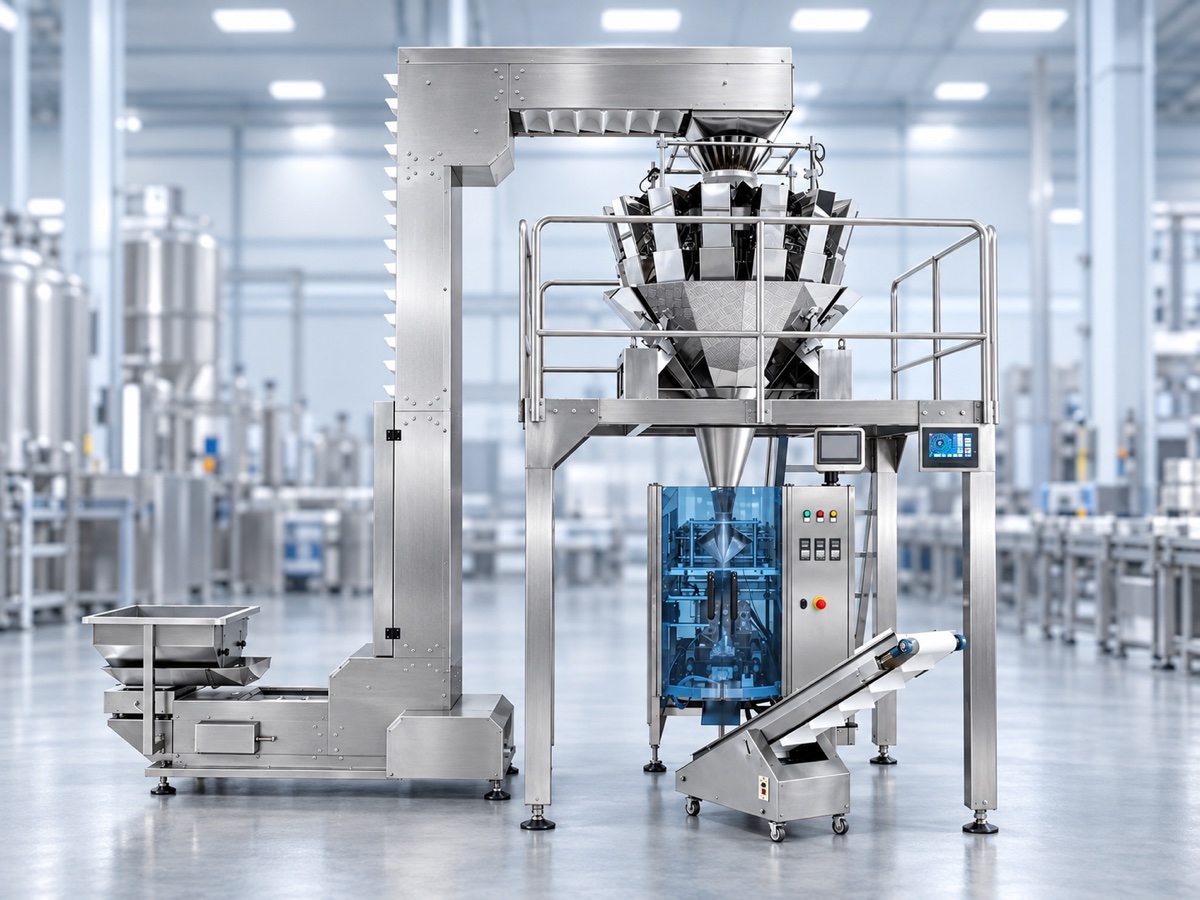
Multihead weighers are suited to free-flowing, small-to-moderate piece products with frequent SKU changes. Where a pack involves a blend of multiple components, the feeding and weighing arrangement for that combination is confirmed at specification stage.
View multihead weighers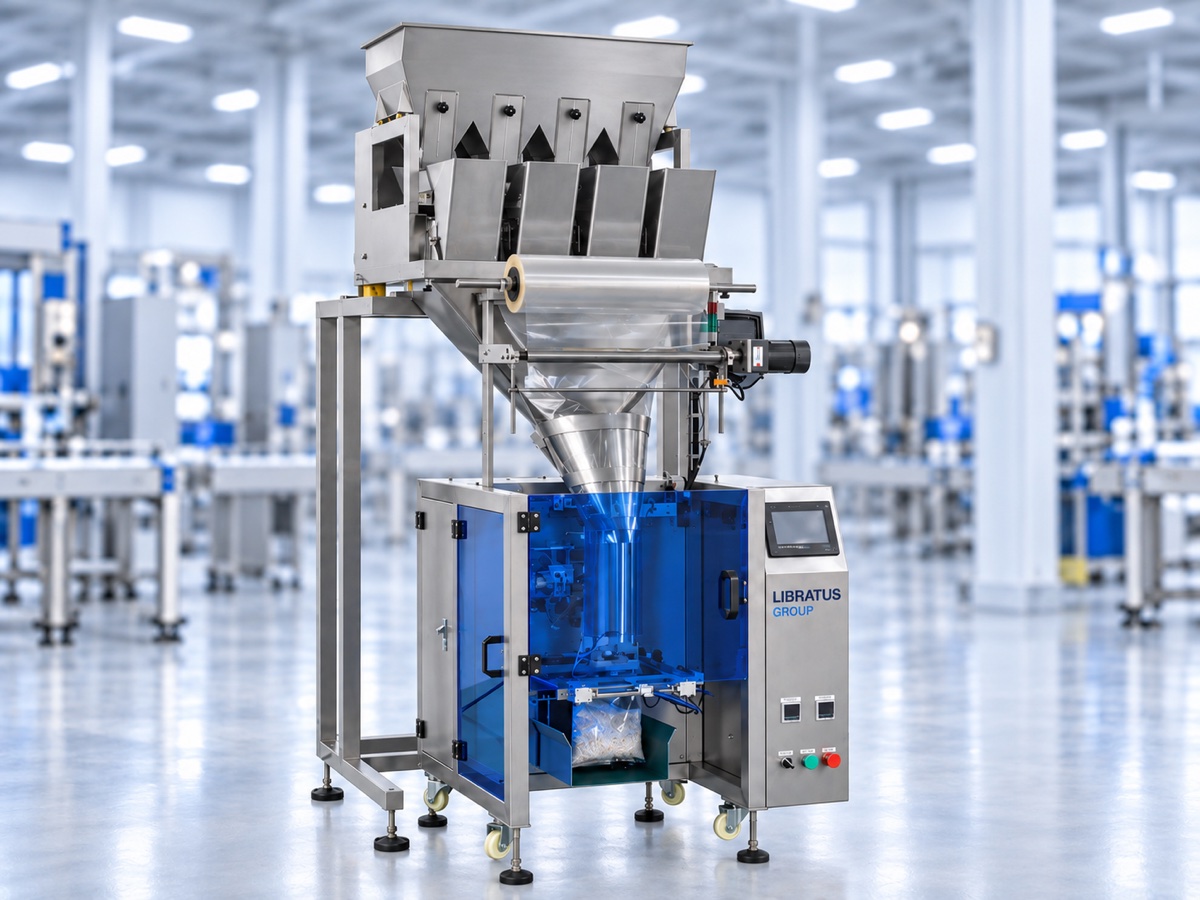
Linear weighers suit more uniform free-flowing products, and are considered where a larger or more fragile product may benefit from a simpler weighing path.
View linear weighers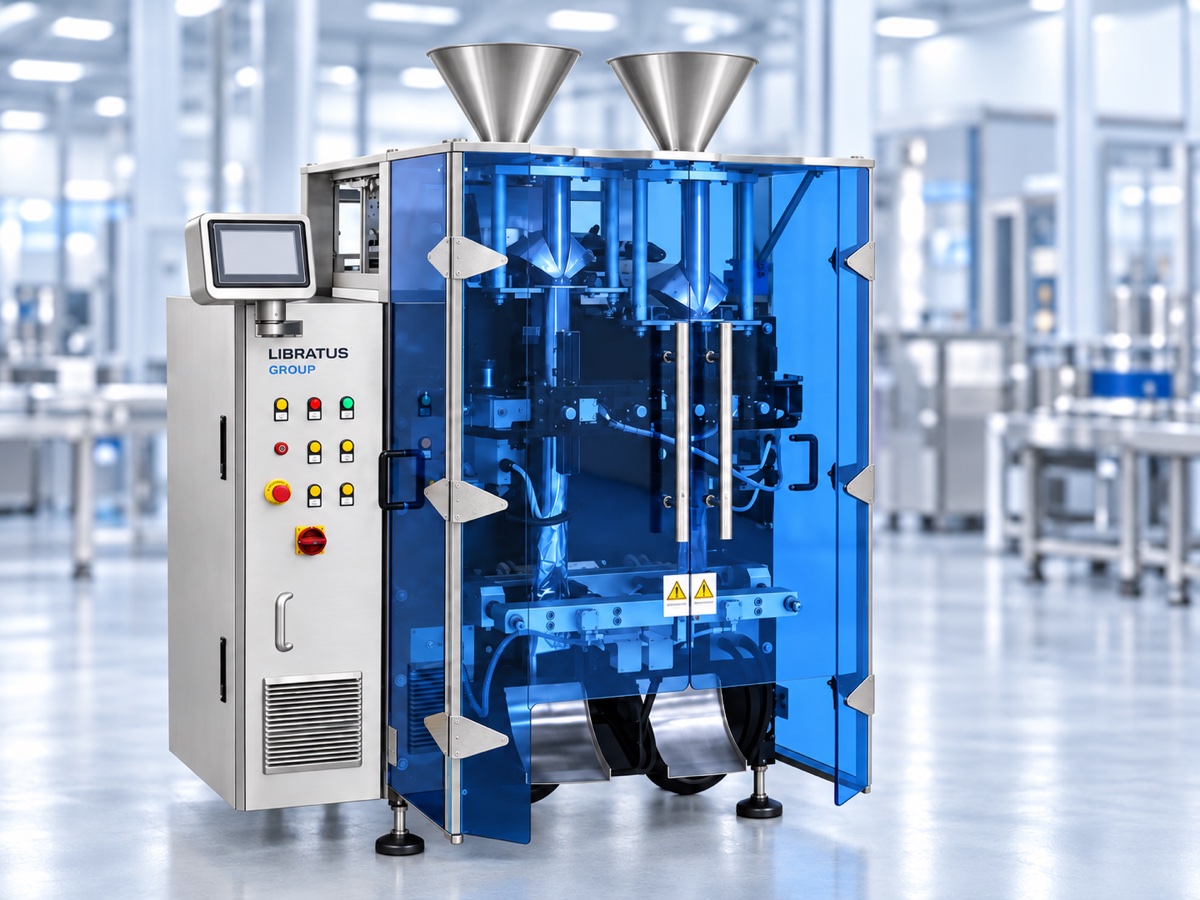
VFFS baggers suit sachet and small-format roll-film pack production at volume.
View VFFS baggers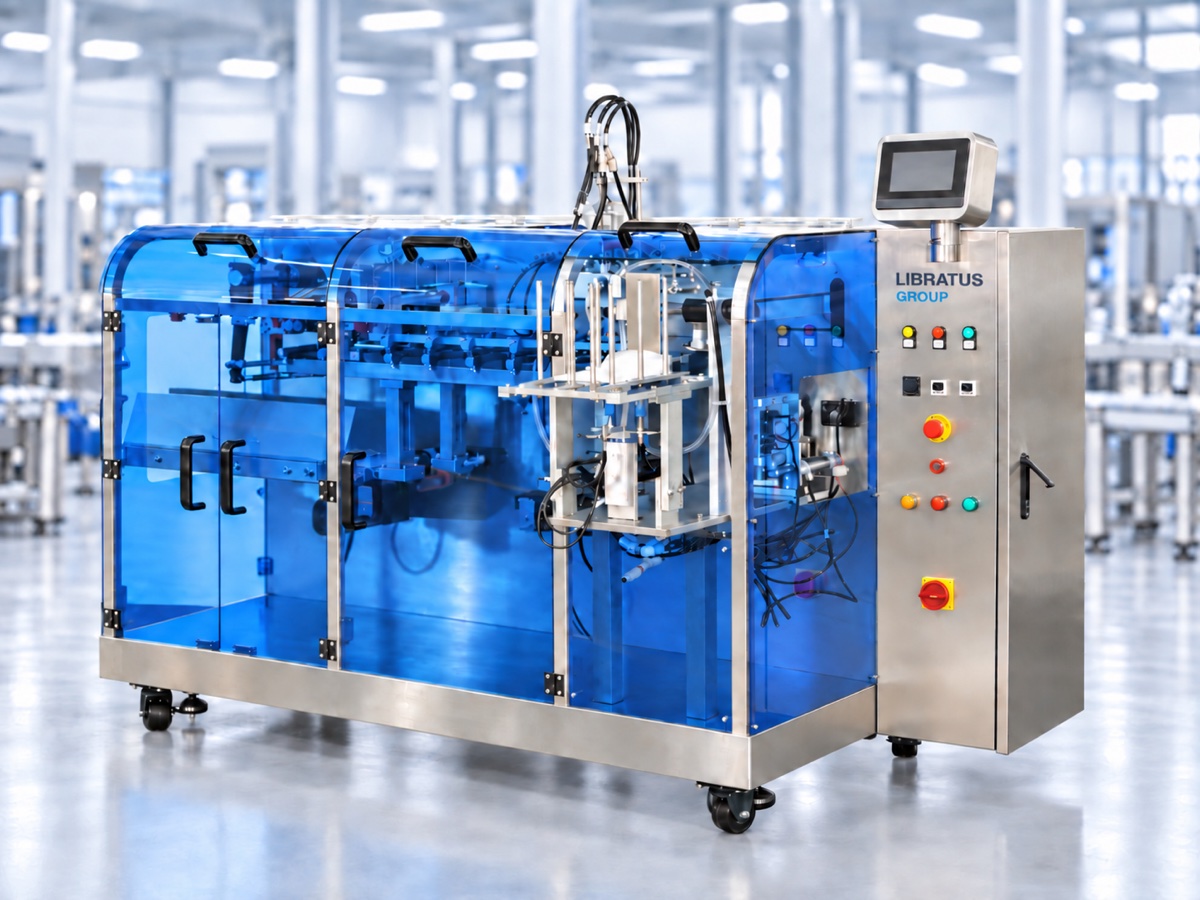
Premade pouch packing suits lines where a stand-up pouch, resealable format or specific print/finish requirement is part of the retail presentation.
View premade pouch machines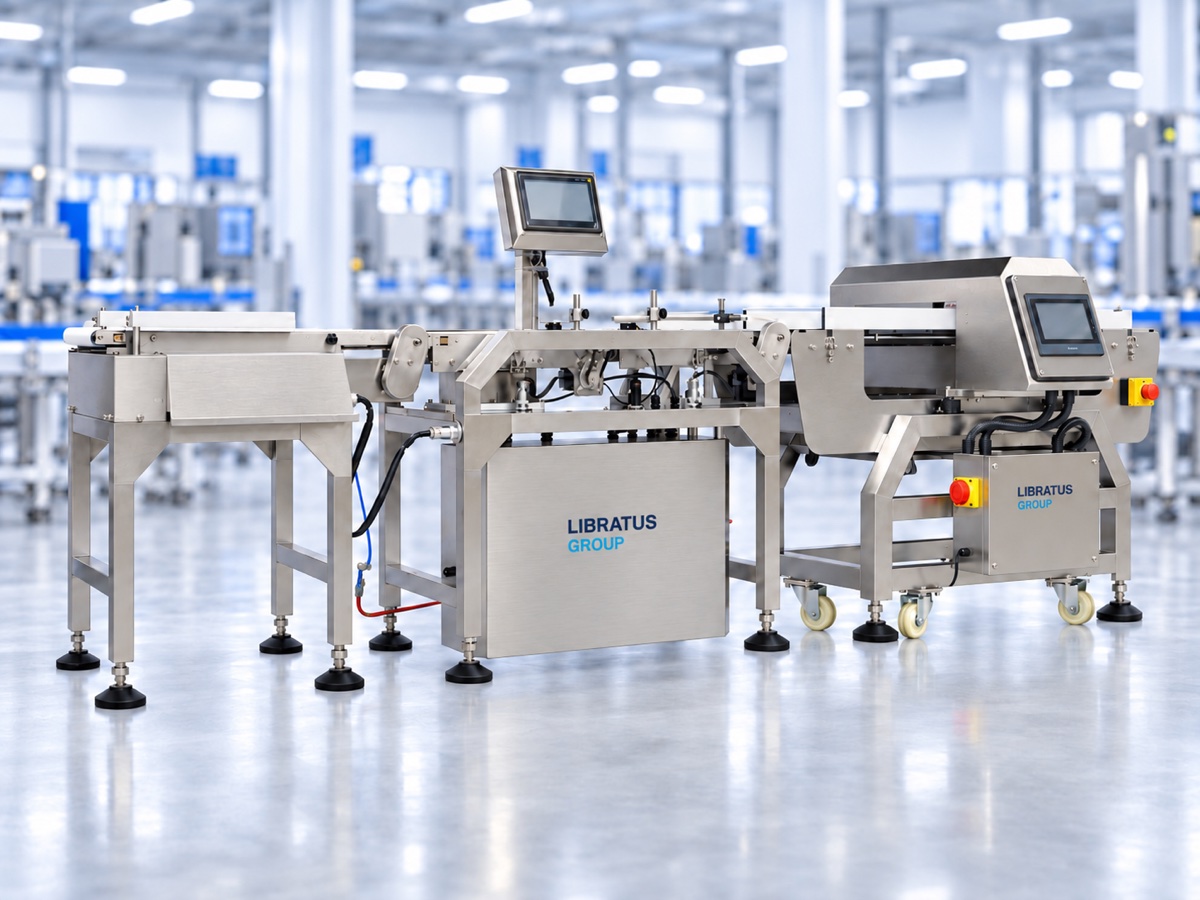
Checkweighers provide finished-pack verification, used as a process-control and quality tool; requirements for pack checking vary by customer, market and product, and are established during specification.
View checkweighers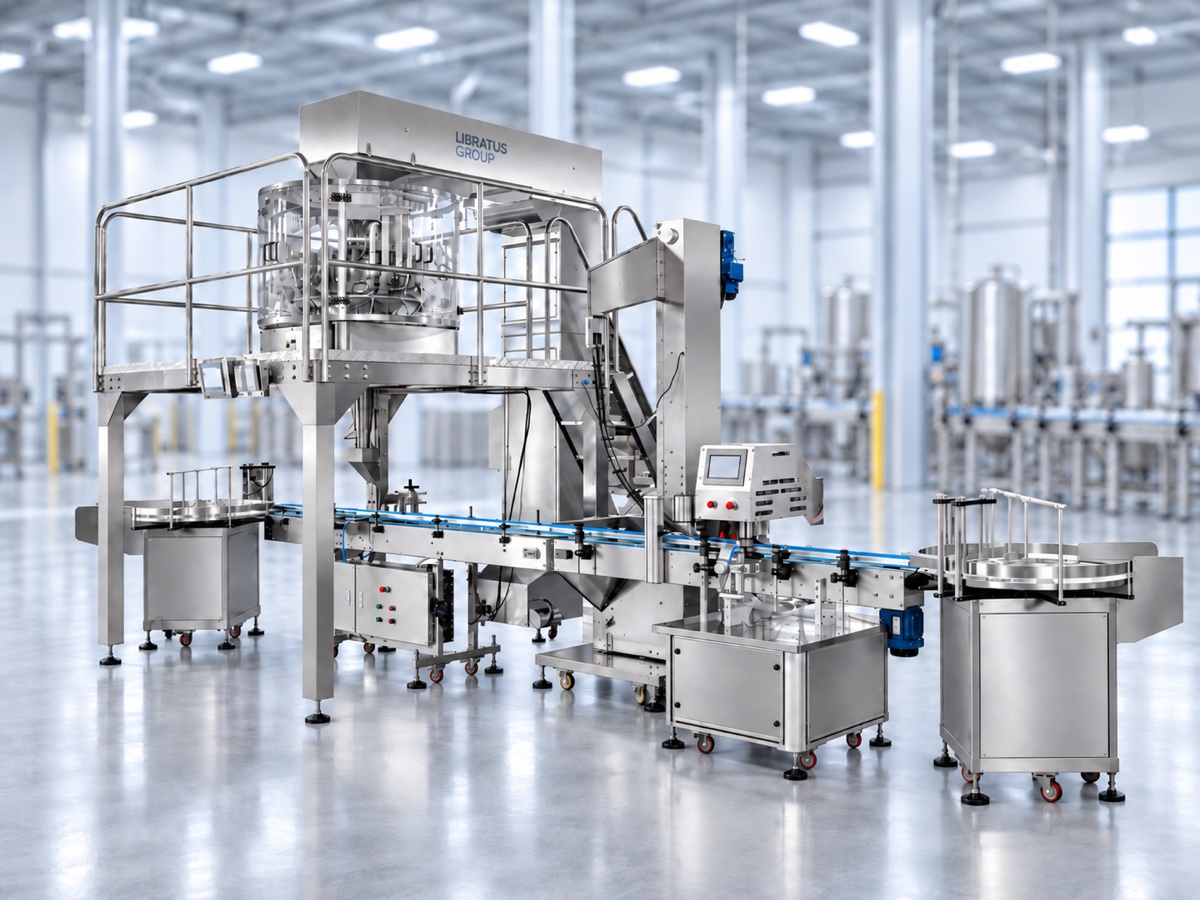
Conveying systems handle product transfer between process and packing stages, specified against the product’s handling sensitivity.
View conveying systemsAuger fillers are not typically relevant to this category and are only specified where a genuine powder or fine-particulate product is confirmed.
Selection factors
There is a common assumption that multihead weighers are the default answer for snack packing. That is not always correct, and the selection logic matters more than the label.
Piece sizes are small to moderate and product is genuinely free-flowing; accuracy at high speed across variable piece counts is the priority, since combination weighing selects bucket combinations that sum close to target and can reduce giveaway; and SKU and pack-weight changes are frequent.
A product is larger, more uniform, or more fragile, and a simpler weighing and handling path may better suit its handling requirements; the product is straightforward in size and flow characteristics; and run volumes and SKU counts don’t justify the higher cost and footprint of a multihead system.
In practice, the right choice depends on piece size, uniformity, fragility, target pack weight, required output, product value and general handling behaviour — confirmed against the actual product rather than assumed from the category label. Where a mixed or multi-component pack is involved, the feeding and weighing strategy for that specific combination is worked out at specification stage.
Pack formats
Snack and confectionery lines commonly run:
Line configuration needs to account for changeover time between SKUs, how any multi-component blend is fed into the line, and how finished-pack checking is integrated without slowing the line.
What we need from you
Documentation
Documentation requirements depend on the machine, the destination market, how the machine will be installed and used, and the customer’s own requirements. These are established during specification rather than assumed in advance. Libratus confirms what documentation is supplied for the specific machine and configuration under consideration.
Enquiry
Tell us about your product — piece size, fragility, blend, target pack weight and destination market — and we’ll work through the right weighing and packing configuration with you.
All industries