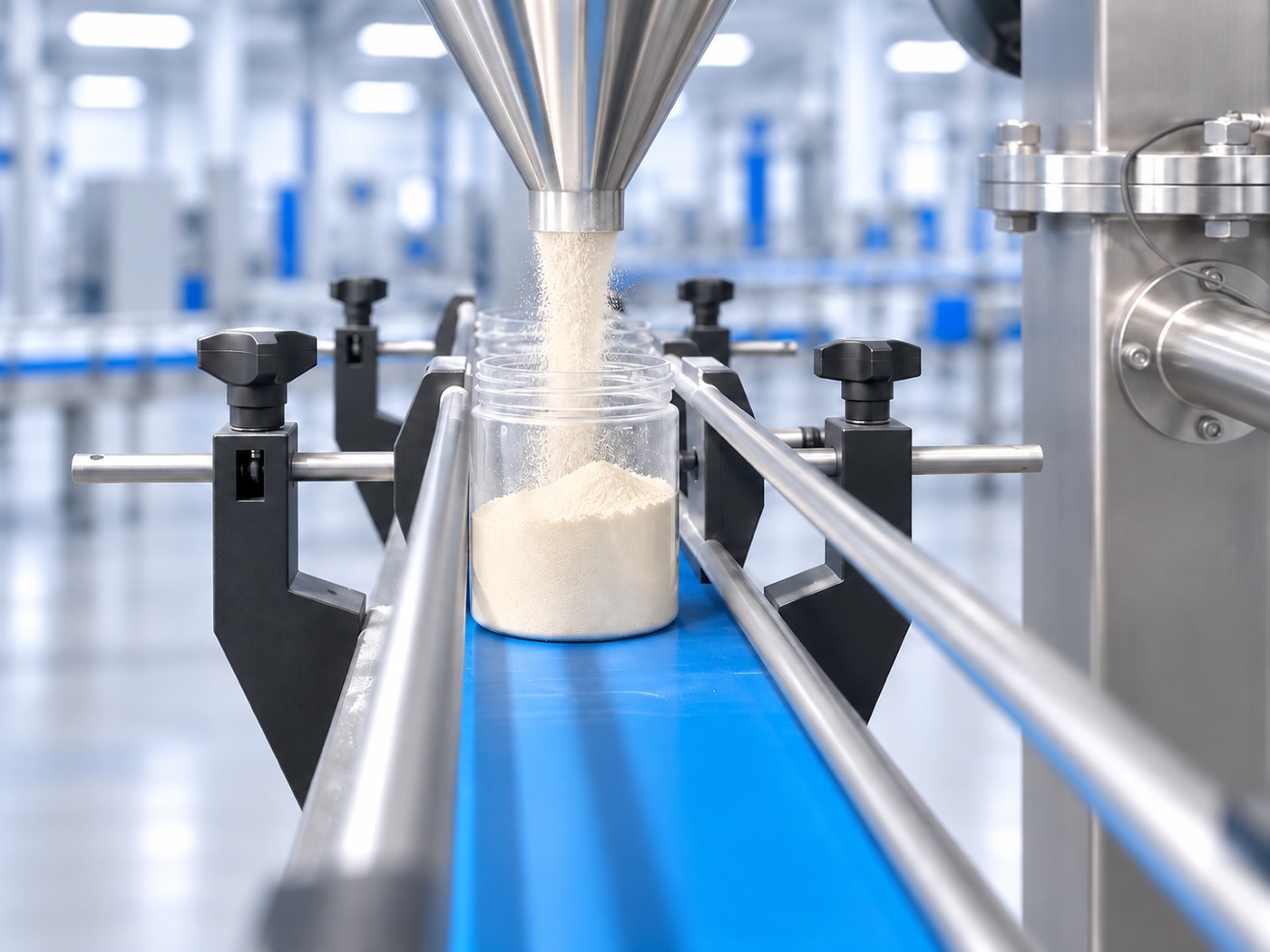
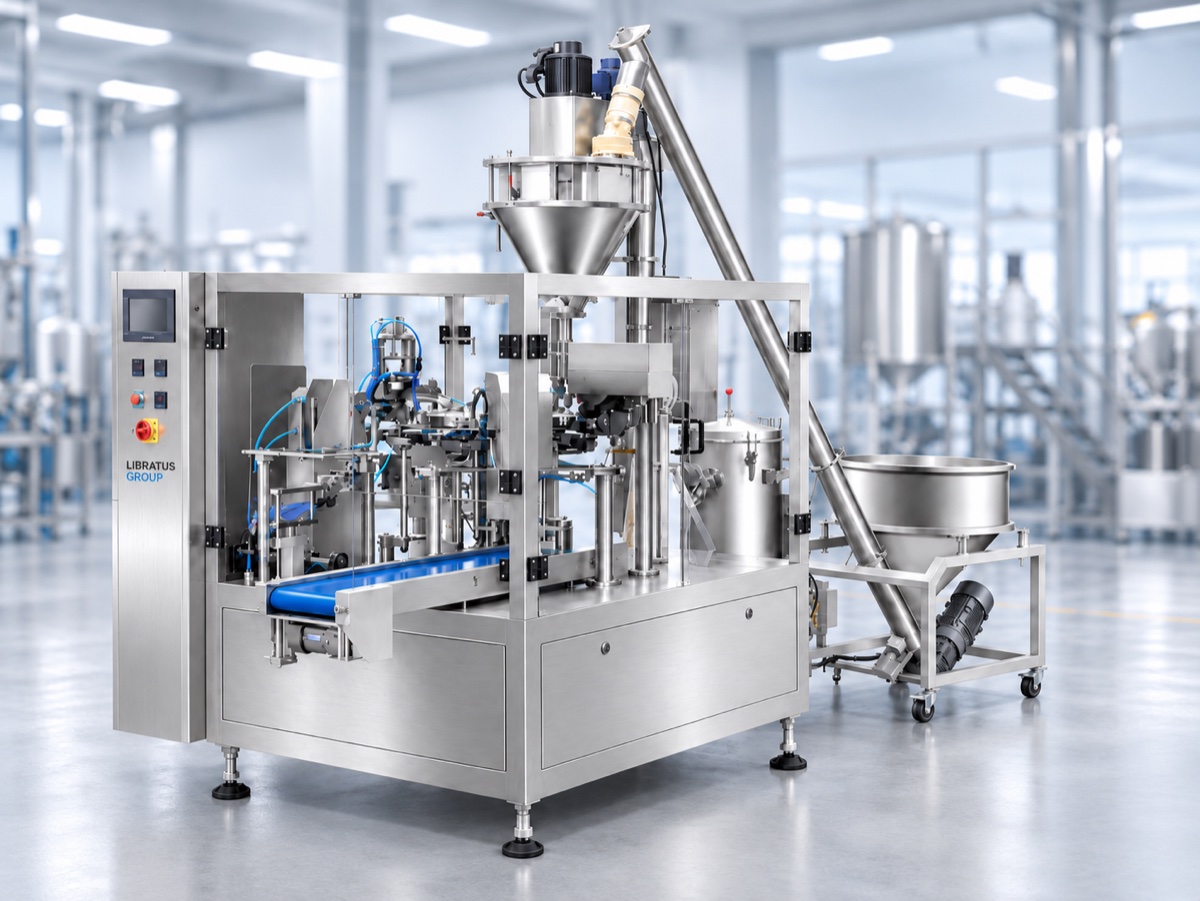
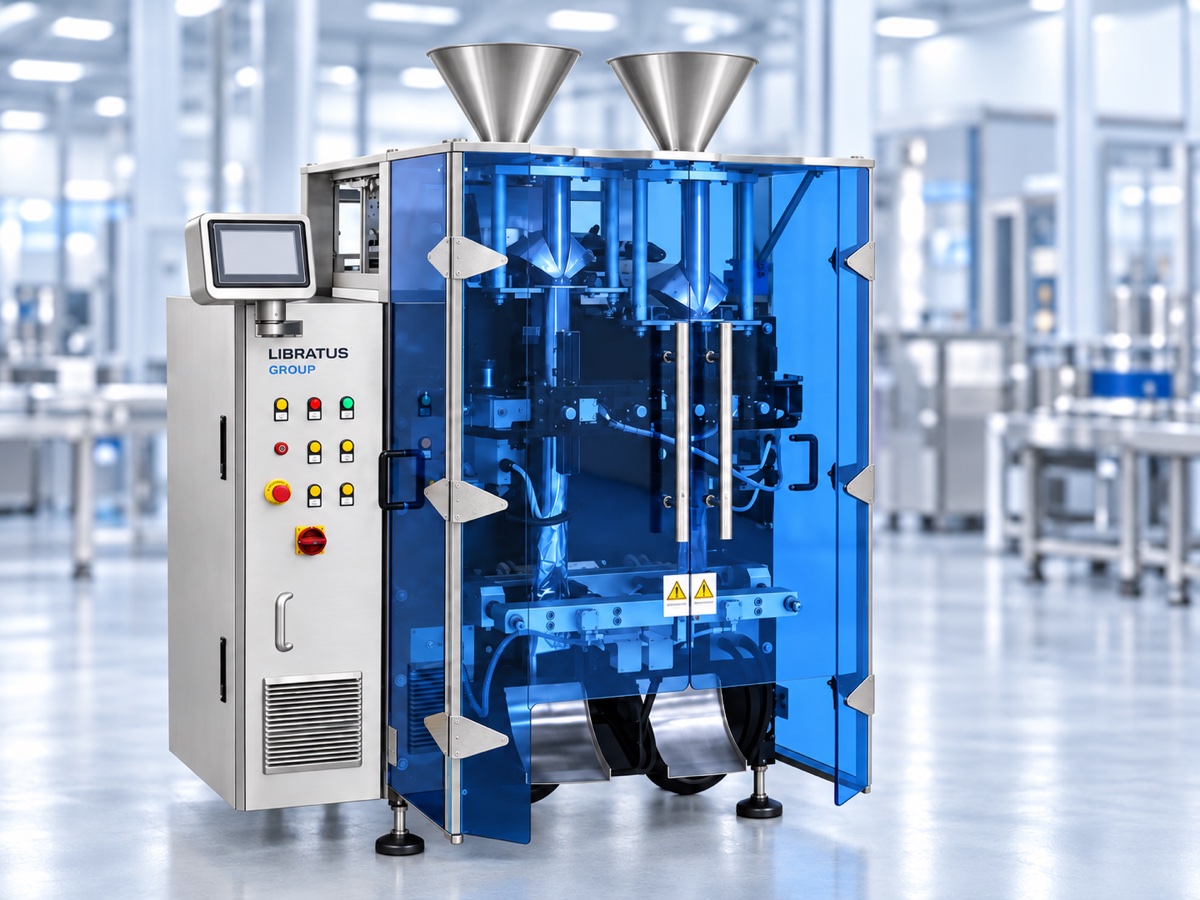
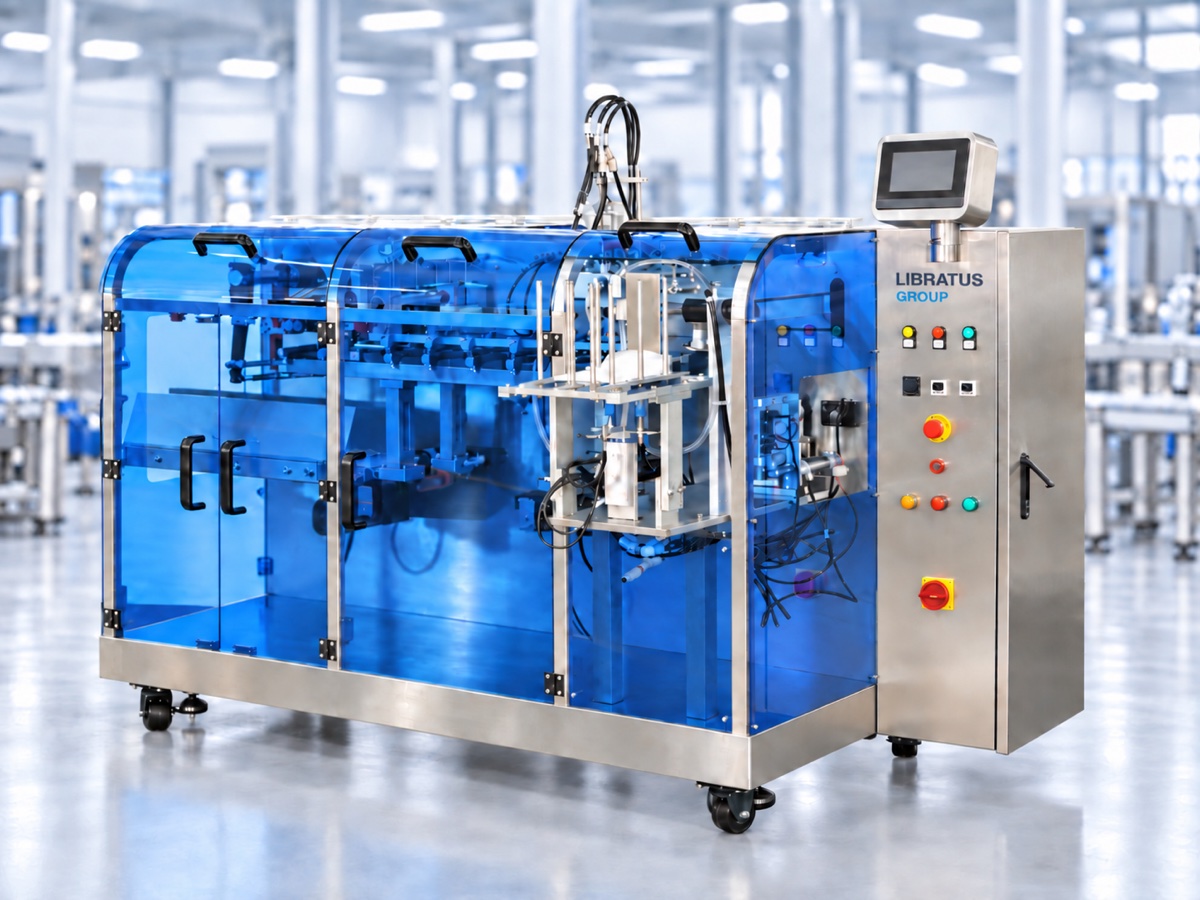
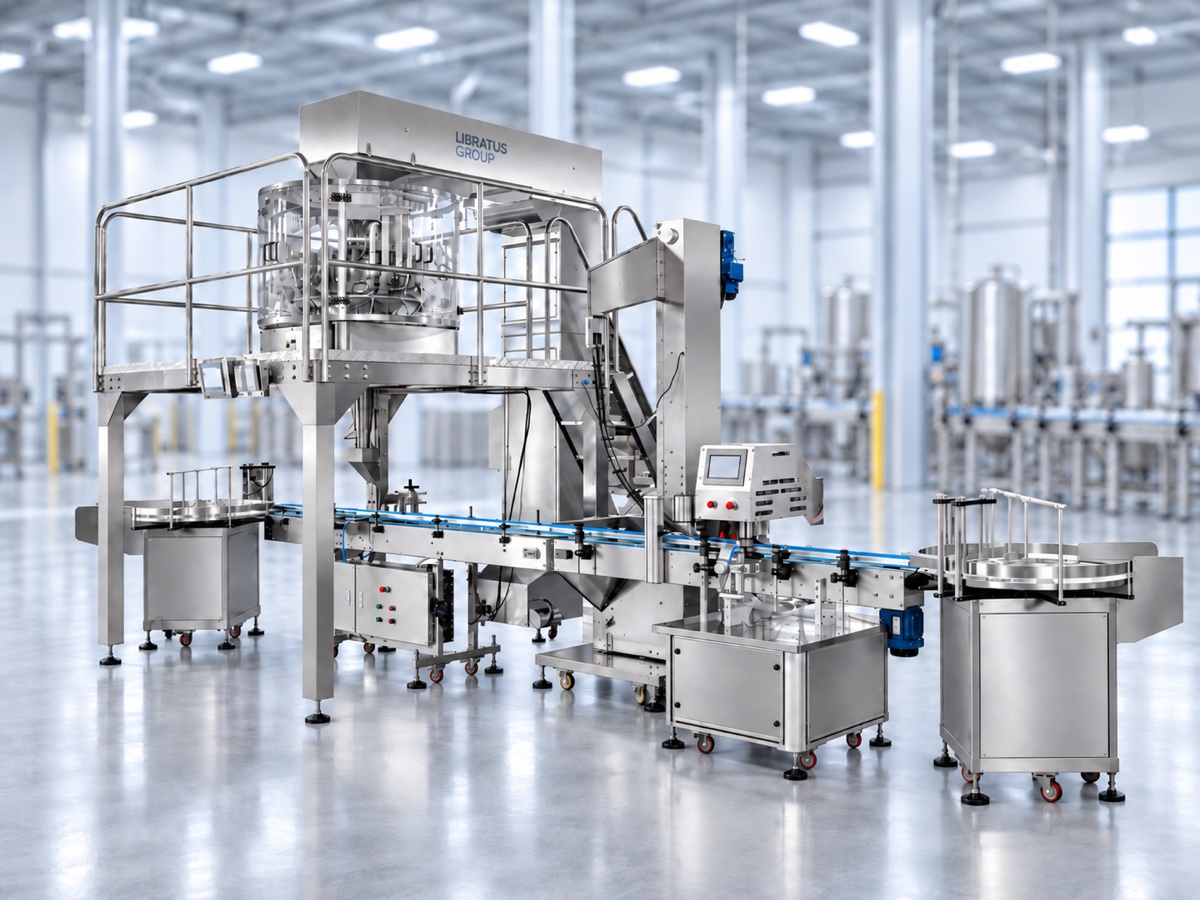
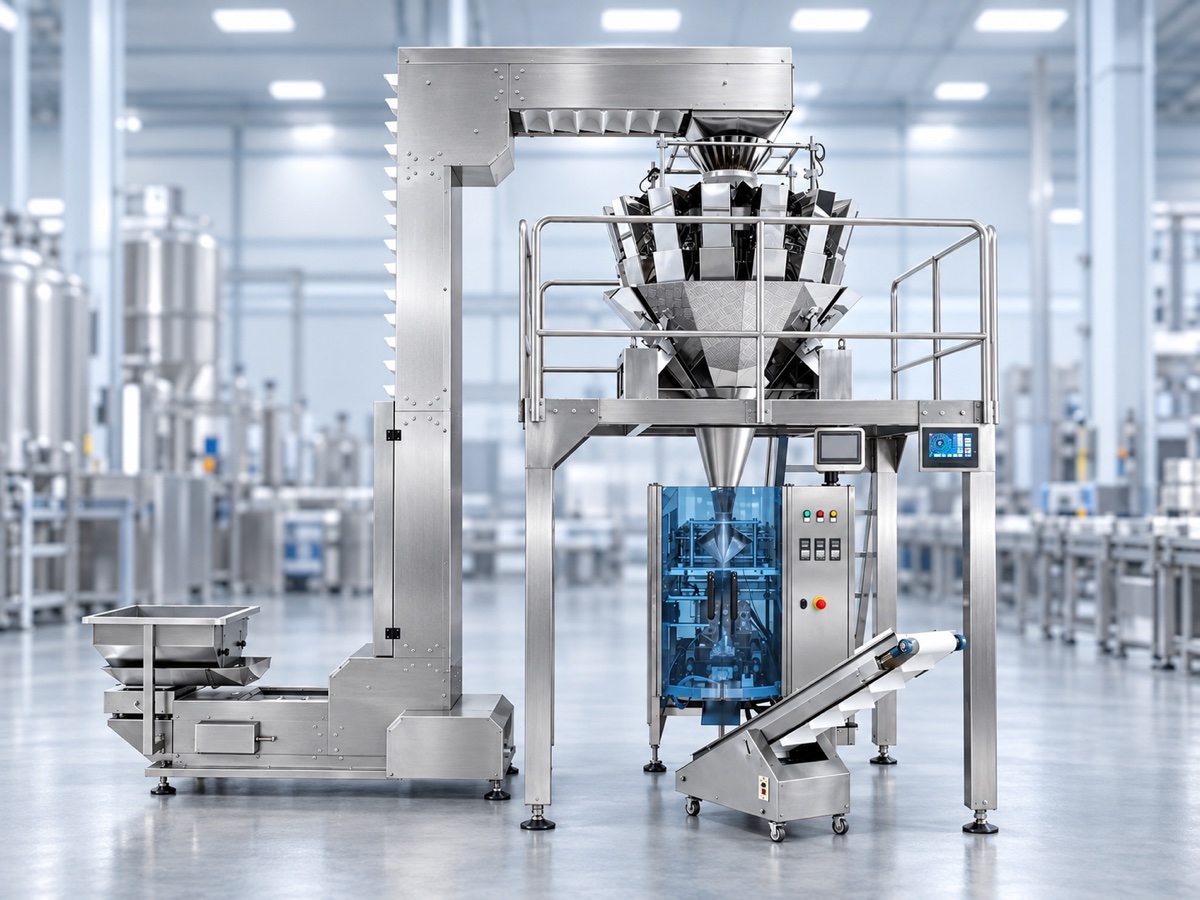
Nutritional powders can be difficult to fill consistently for reasons that have nothing to do with the brand on the tub. Bulk density changes between batches and between the top and bottom of a hopper. Fine powders aerate, cake, cling and generate dust. Ingredient cost per kilogram is high enough that habitual overfilling shows up in gross margin.
This page explains how powder behaviour, pack format, changeover requirements and production volume influence the filling approach, and what we need to know before recommending equipment.
Why filling can limit nutritional powder production
In many operations the constraint is not blending capacity. A blender can produce a batch considerably faster than a manual filling operation can pack it, which means finished-goods output is set by the filling room.
Ingredient value changes the arithmetic of overfilling.
With premium protein isolate, collagen peptides or a botanical greens blend, a small habitual overfill across a batch is a real and recurring cost. For many producers this is what makes a poorly controlled filling operation financially indefensible well before it becomes physically impossible.
Declared net quantity has to be met in practice, not on average by luck.
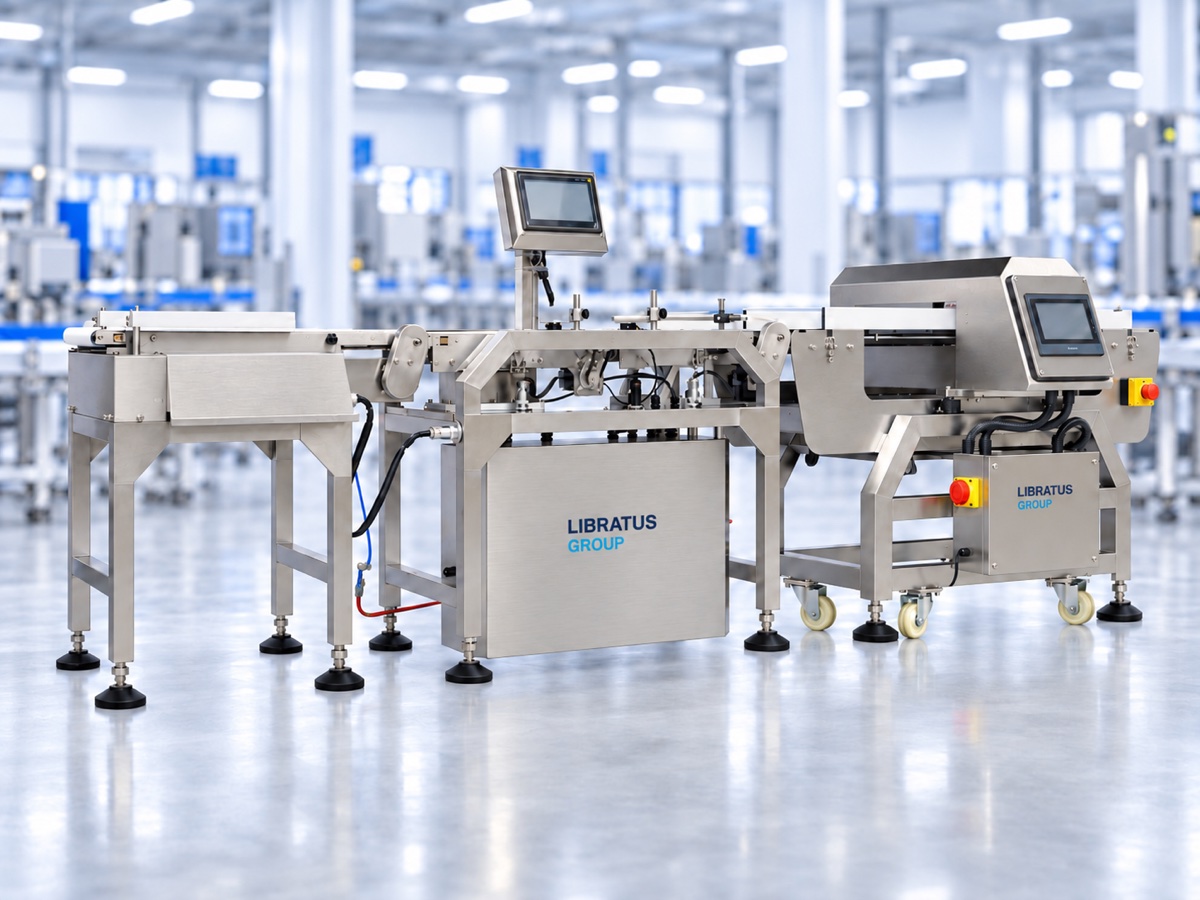
Selling by declared weight means packs need to hold to it consistently. Meeting it by overfilling is expensive; meeting it by measurement requires fill control and some means of checking finished packs. What applies to you specifically, including tolerances and how quantity is assessed, differs between markets and sits with your own quality and compliance function. We can specify machinery around your requirements; we do not advise on them.
View checkweighers →Format proliferation is relentless.
The same formulation is expected in a 1 kg or 2 kg tub, a stand-up pouch, a single-serve sachet, a sample pack, and often a bulk bag for a wholesale or export customer. Each is a different filling and closing problem.
Contract and private-label production changes what matters.
Where a line runs multiple customers’ products, how quickly it can be cleaned down and changed over can matter more to output than its top speed. That has a direct bearing on how the filler should be specified.
Product changeover and cleaning requirements affect the machine.
Where dairy protein, soy, nut or gluten-containing ingredients share equipment, cleandown between products becomes part of the specification conversation: how quickly contact parts come out, go back and can be verified as clean. What counts as adequate cleaning is defined by your quality system and your customers’ requirements, not by us, but it changes which machine configuration makes sense.
Dust is a housekeeping, handling and yield issue.
Fine protein and botanical powders that become airborne settle on every surface in a filling room, and manual tipping of 20 or 25 kg sacks into open hoppers is often a significant contributor.
Manual filling has a ceiling.
Scoop-and-scale filling of tubs is slow, variable, physically demanding and hard to evidence. It is often the last manual step in an otherwise controlled process.