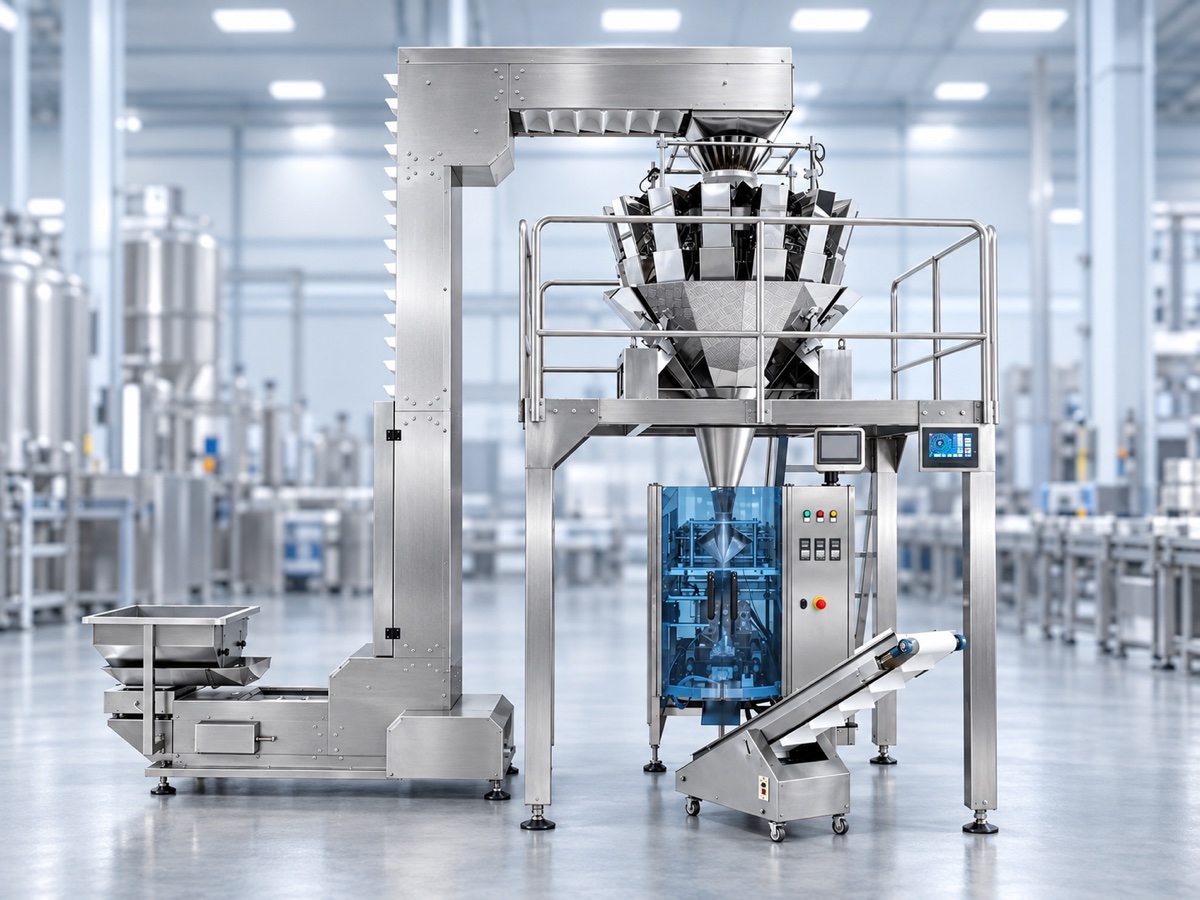
Linear Weighers and Multihead Weighers
where the material and fill-weight target support a gravimetric approach, subject to confirmation.
 Get a quote
Industries / Industrial & non-food products
Non-food doesn’t mean technically simple. From plastic pellets to small fasteners, Libratus builds weighing, filling and conveying systems around what a material actually does on a line — and is explicit about where a product sits outside that scope.
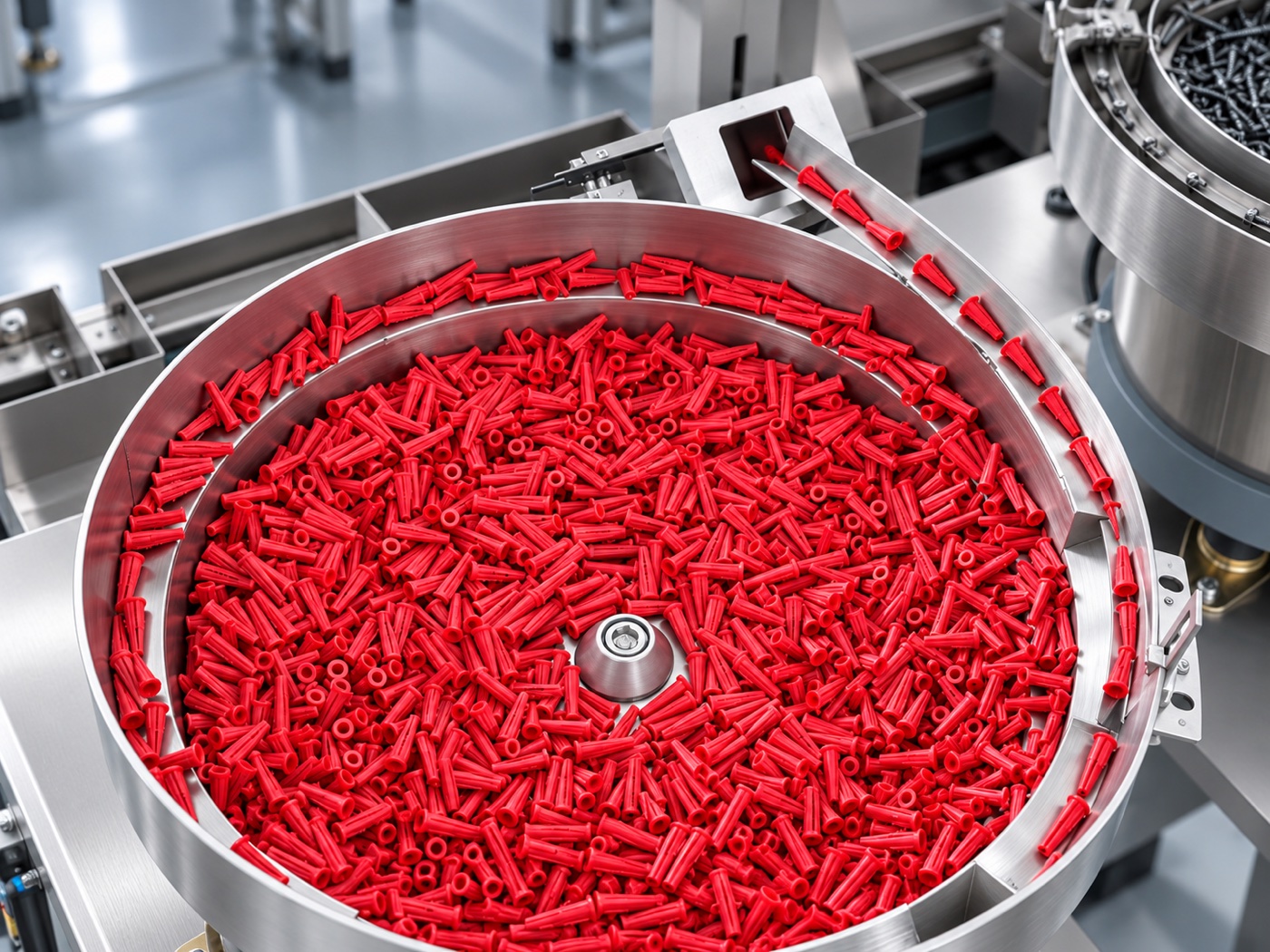
Sector context
Manufacturers of plastic pellets, masterbatch, suitable fertiliser granules, suitable detergent granules and small industrial hardware share a problem with food producers: getting a physically demanding material into a consistent, controlled pack at production speed. This page covers the industrial materials that may genuinely suit Libratus’s weighing, filling and conveying architecture, and states plainly where suitability needs to be established rather than assumed.
Industrial and non-food producers often reach a point where upstream production — extrusion, compounding, granulation, blending — has outgrown what the packing line can keep up with, and bag-filling becomes the practical constraint on shipped output rather than the production process itself.
A related but distinct pressure applies to repetitive weighing and filling work that has become labour-intensive as SKU count or order volume grows. Manual counting and weighing of small components, or manual bagging of granular material, becomes progressively harder to scale and harder to keep consistent as volume increases — which is often the real prompt to look at automated weighing or filling. In either case, the first practical question is usually whether the actual requirement is weight-based or count-based, since that decision shapes everything that follows.
Product behaviour
This page deliberately separates two different engineering problems rather than treating “industrial” as one category.
Plastic pellets, masterbatch, suitable fertiliser granules, suitable detergent granules and desiccant are used here as illustrative categories, not as confirmed Libratus applications. From a handling perspective they can resemble free-flowing food-grade granules in some respects, with their own considerations:
Screws, nuts, bolts, washers, small plastic components and similar hardware present a different physical problem, used here as illustrative examples rather than confirmed applications. They are:
Piece-size variation within a single SKU (a mixed hardware assortment, for instance) adds further complexity beyond a straightforward granular product.
Operating challenges
This distinction is the central engineering argument of this page. Granular and pelletised industrial materials may sit within similar gravimetric weighing logic to free-flowing food and ingredient products, subject to confirming bulk density, flow behaviour and abrasion resistance of the relevant product-contact parts for that specific material. Small discrete components are a different proposition.
Standard multihead and linear weighing platforms are commonly used across the wider industry to weigh-fill fasteners and hardware by target weight, where a small, known giveaway per pack is commercially acceptable. Whether Libratus’s current machine architecture is suited to abrasive metal components without modification is confirmed at specification stage, not assumed from this page.
True piece-accurate counting — verifying an exact quantity per pack rather than an accurate weight — is a distinct capability from standard gravimetric weighing, and is addressed as a capability question below rather than claimed as available.
Machinery routes
Understand the problem, narrow the technology, then discuss it with us. Libratus confirms final machine selection during specification.
where the material and fill-weight target support a gravimetric approach, subject to confirmation.
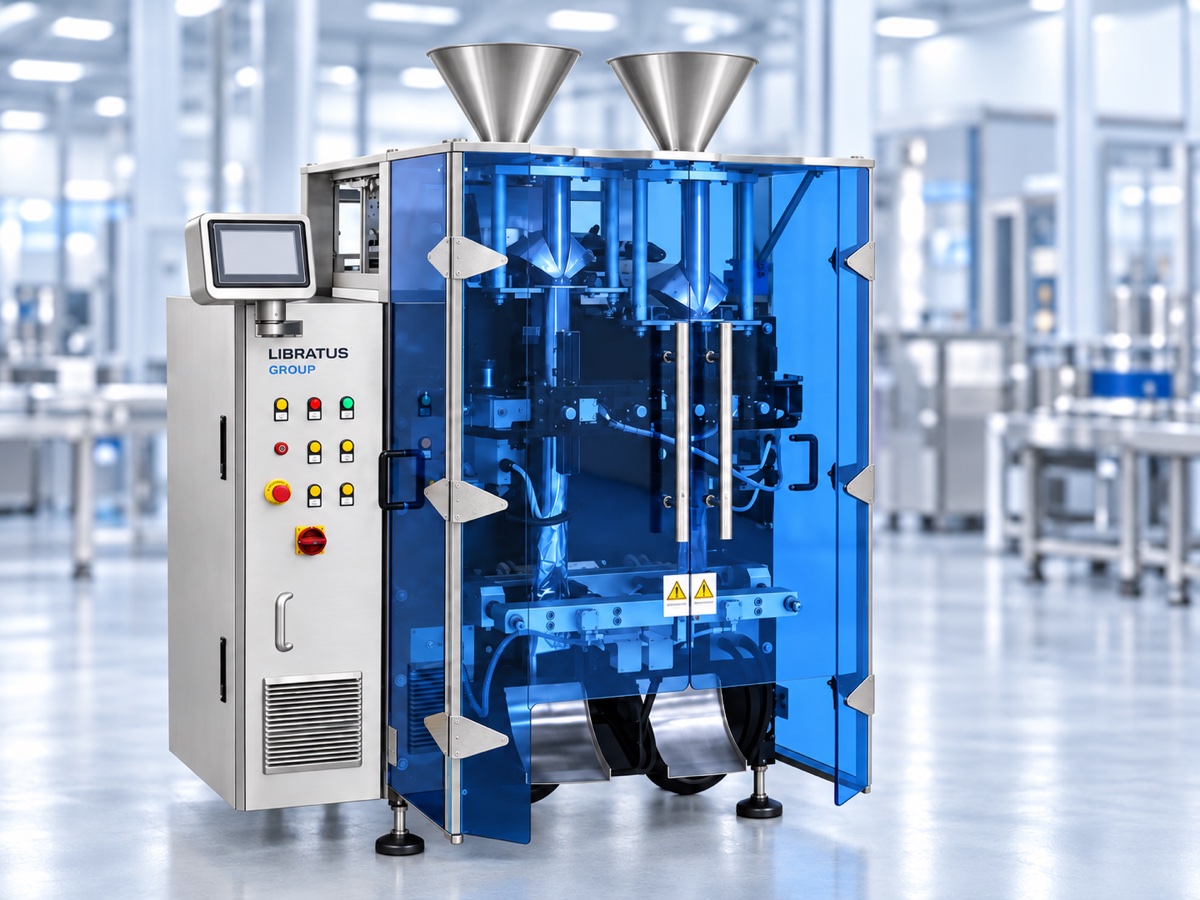
matched to pack format and material abrasion profile, confirmed per material.
for moving granular or pelletised material between storage, blending and the filling station, subject to confirming suitability for the specific material’s abrasion characteristics.
View Conveying Systemsmay suit weight-based fastener and hardware packing, subject to confirming that feed components and product-contact surfaces are appropriate for the specific material’s abrasion and shape profile.
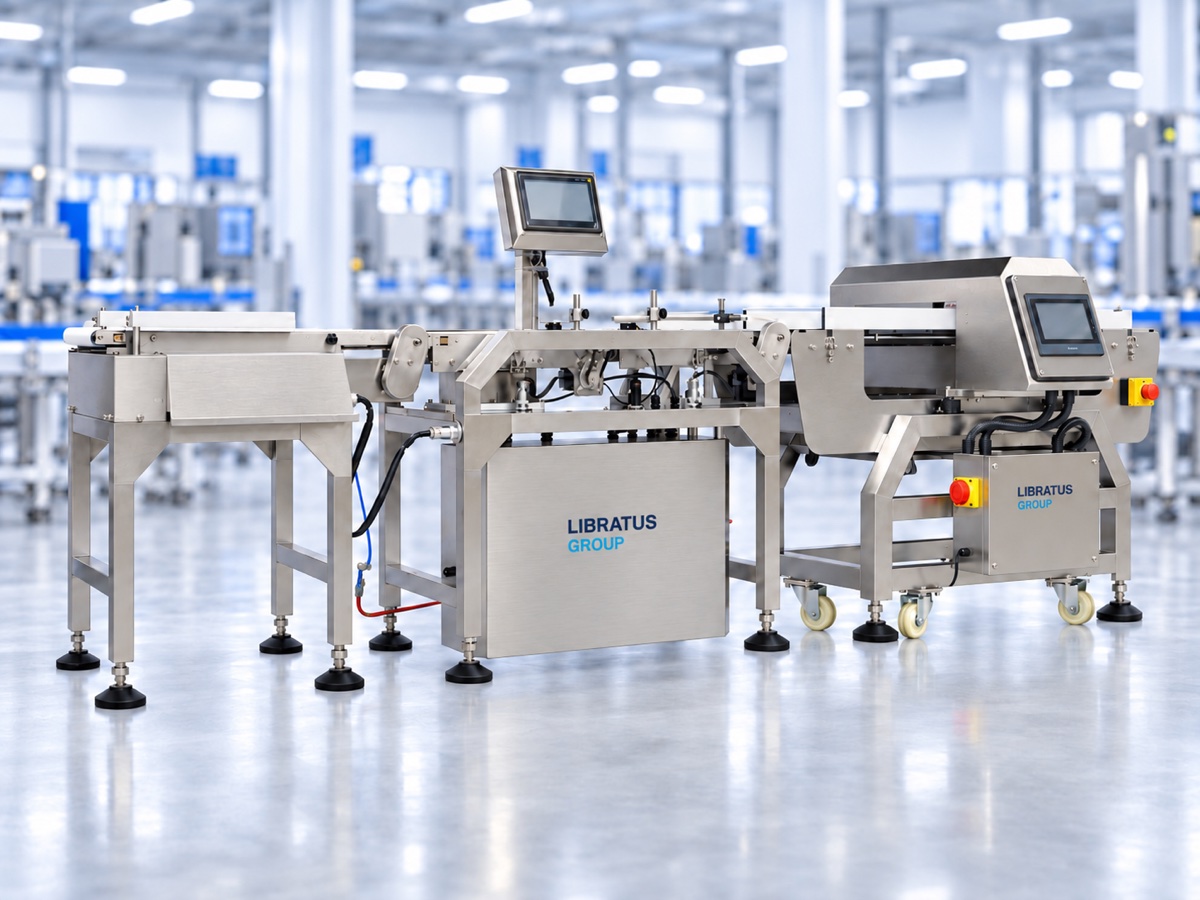
for weight-based verification of packed hardware.
Piece-accurate counting is not offered as a standing capability across the current range — see the capability note below.
Selection factors
For granular and pelletised materials, the starting point is confirming bulk density and flow characteristics against the specific material, then assessing whether a gravimetric or conveying configuration suits its abrasion and static profile.
For small discrete components, the first question is whether the requirement is genuinely weight-based (an acceptable target weight per pack, with normal giveaway) or count-based (an exact piece count required per pack). This determines whether the requirement fits Libratus’s current weighing architecture or requires a capability to be confirmed before a machine is proposed.
Pack formats
Pack format and fill-weight range for granular and pelletised industrial materials are confirmed against the specific material and customer requirement during specification, rather than assumed from this page. Small discrete components are more often packed into smaller retail, trade or kit-format packs, where a consistent, controlled pack per unit matters as much as fill speed, and where multiple SKUs on one line is common.
What we need from you
Photos or video of the material, where useful. If physical assessment is needed, Libratus will advise on the appropriate route during specification.
Documentation
Documentation requirements depend on the specific machine, destination market, installation and use, and the customer’s own requirements, and are established during specification. Libratus confirms what is supplied for the machine under consideration once that specification is agreed.
Enquiry
Describe your material — granular, pelletised, or small discrete components — along with target pack weight or count and destination market, and Libratus will confirm whether the requirement fits the current machinery architecture or needs further scoping.
All industries