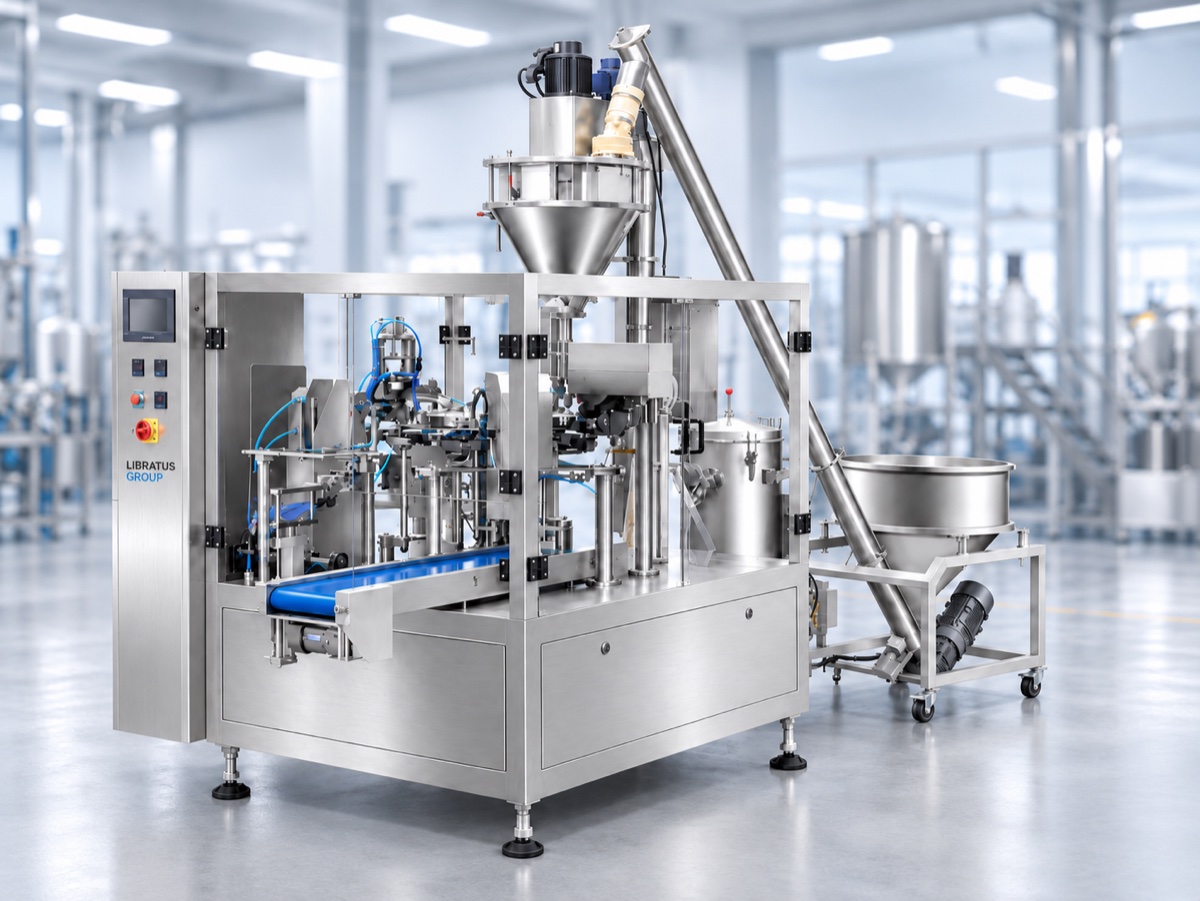
Auger Fillers
may suit fine and cohesive powders requiring controlled dosing, subject to confirmation against the specific material.
View Auger Fillers Get a quote
Industries / Ingredients & powders
Bulk ingredients behave differently from finished consumer products — and differently from each other. Libratus designs weighing, filling and conveying systems around the actual flow behaviour of the material in front of it, not a generic powder assumption.
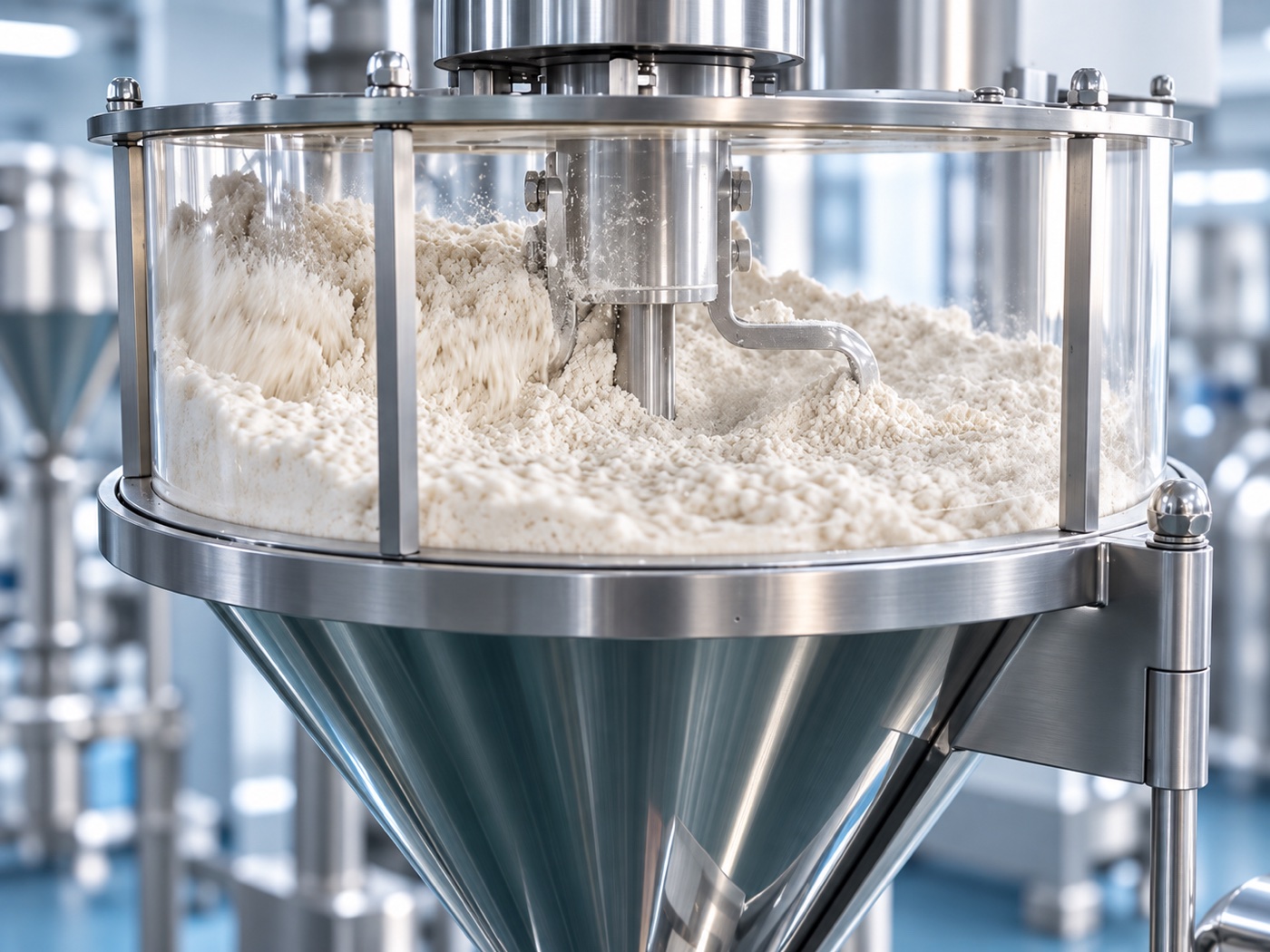
Sector context
Ingredient manufacturers, processors and contract producers across coffee, dairy, cocoa, spice, bakery and functional-ingredient supply chains sell into B2B specifications where fill accuracy, changeover speed and product integrity carry direct commercial consequences. This page covers ingredients as production inputs — not the branded, finished consumer powders covered on the Supplements & Nutrition page.
Ingredient and powder processors often reach a point where upstream mixing, blending or drying capacity has grown ahead of what the packing line can absorb. Filling is still running on manual scooping, semi-automatic dosing, or a single general-purpose line sized for an earlier, smaller operation, while the process producing the ingredient has moved on.
That gap tends to surface in familiar ways: recurring overfill and giveaway, changeover downtime as SKU count grows, or a practical ceiling on how many ingredient formats a line can realistically service. A material that doesn’t flow the way the current equipment assumes can be enough on its own to push a dosing method past its limits. The buyers most likely to act are usually responding to a specific trigger — a fill-weight tolerance the current line can’t hold, a SKU range that’s made manual changeover unworkable, or a customer-specific fill requirement the existing setup wasn’t built around.
Product behaviour
“Powder” is not a single engineering category, and the materials this page covers span a wide range of physical behaviour:
Different ingredients within the same production range can behave very differently from one another, and a dosing method suited to one material in a range is not automatically suited to the rest of it. Confirming behaviour per material, rather than assuming uniformity across a range, is a genuine part of getting the specification right.
Operating challenges
Three material properties drive most selection decisions on this page:
Where combustible dust, hazardous-area conditions, allergen controls, washdown or CIP requirements exist, these must be established separately during specification and are not assumed to be covered by the standard machine configuration.
Machinery routes
Understand the problem, narrow the technology, then discuss it with us. Libratus confirms final machine selection during specification.
may suit fine and cohesive powders requiring controlled dosing, subject to confirmation against the specific material.
View Auger Fillers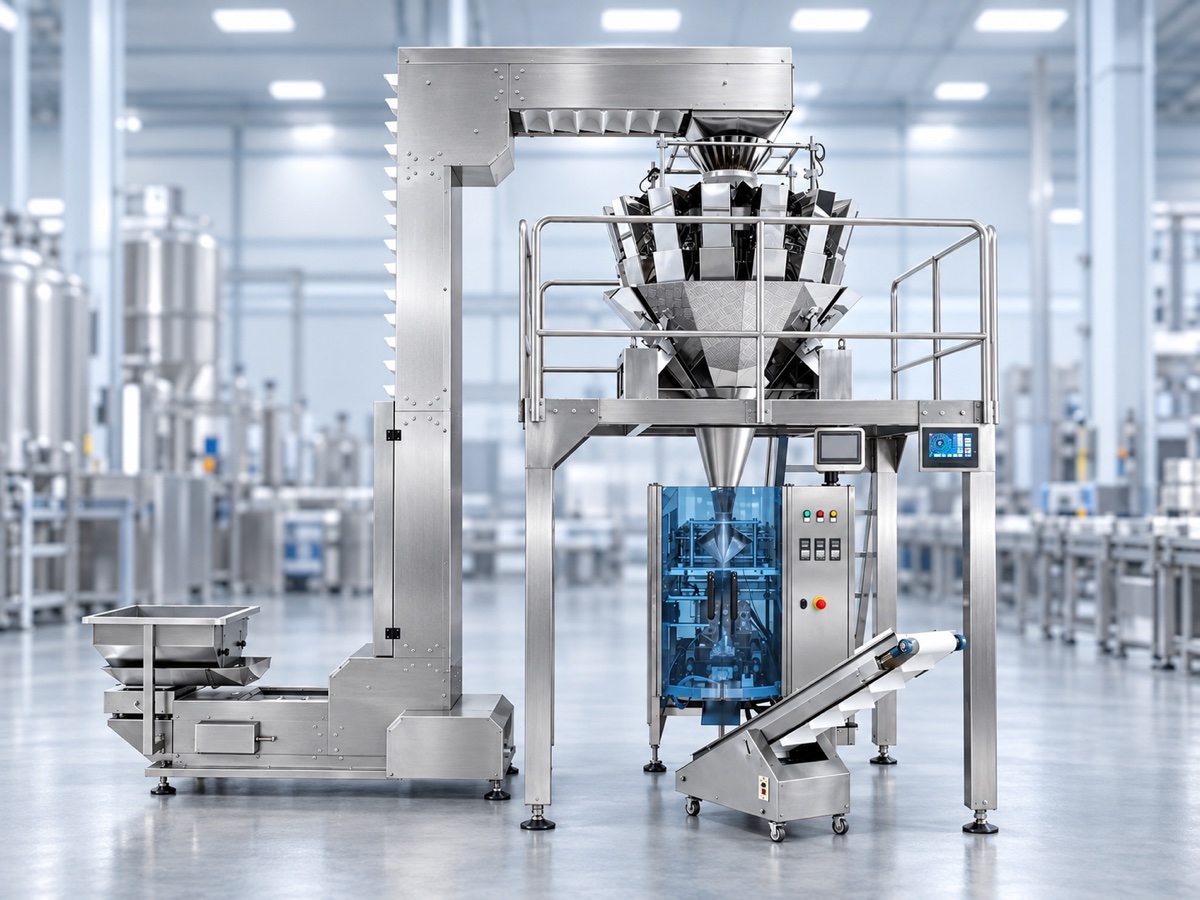
may suit free-flowing granular ingredients and premixes where gravimetric accuracy is the priority.
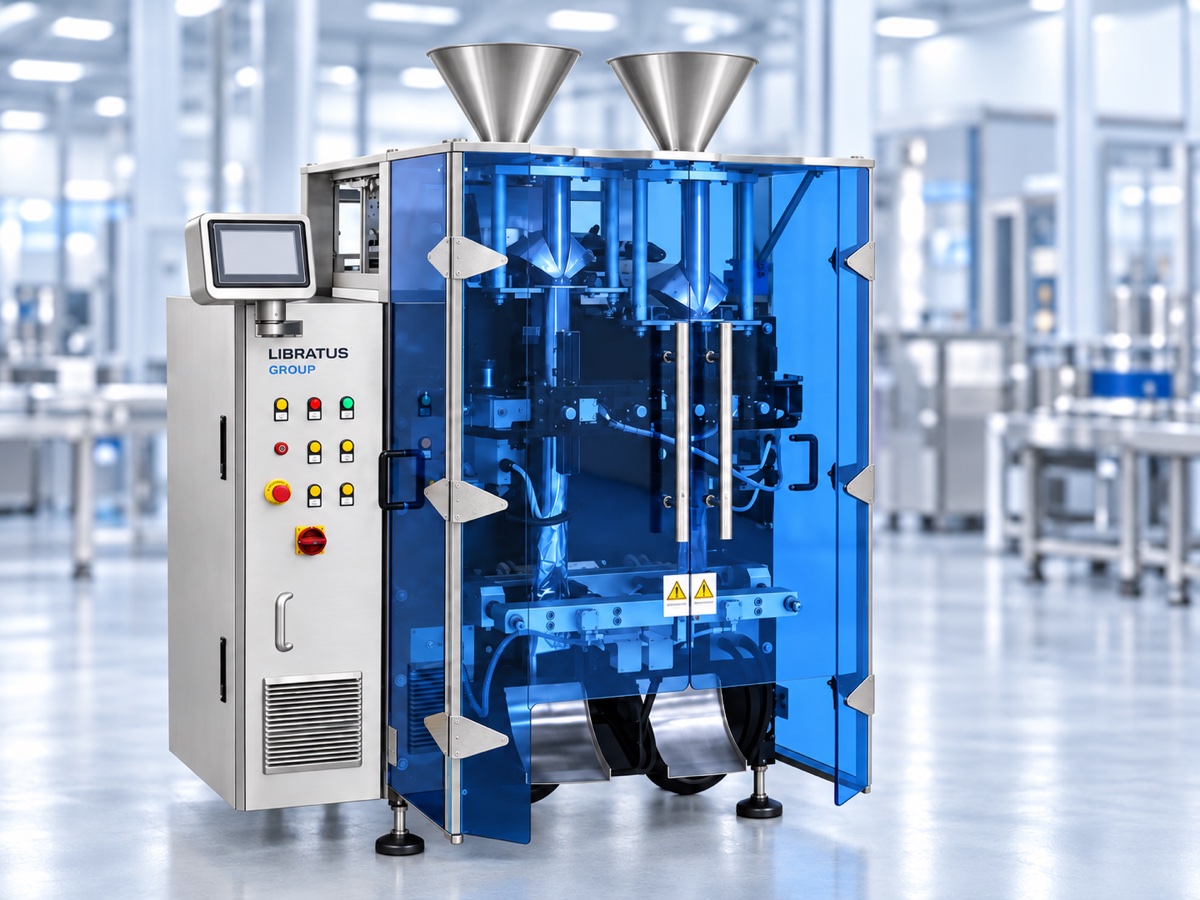
for sachet and small-format roll-film pack formats, with product format confirmed at enquiry.
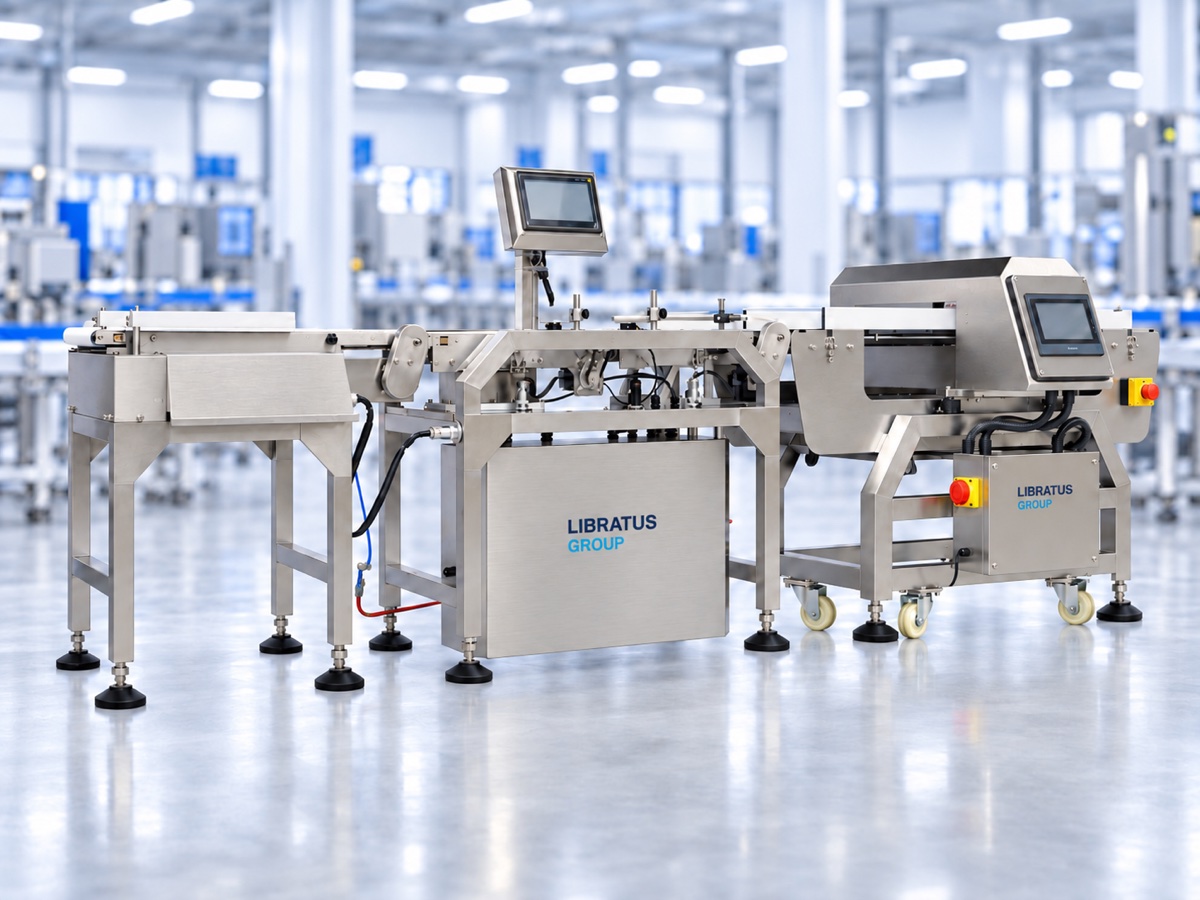
available as a finished-pack verification and process-control step, where a customer’s operation calls for it.
View Checkweighers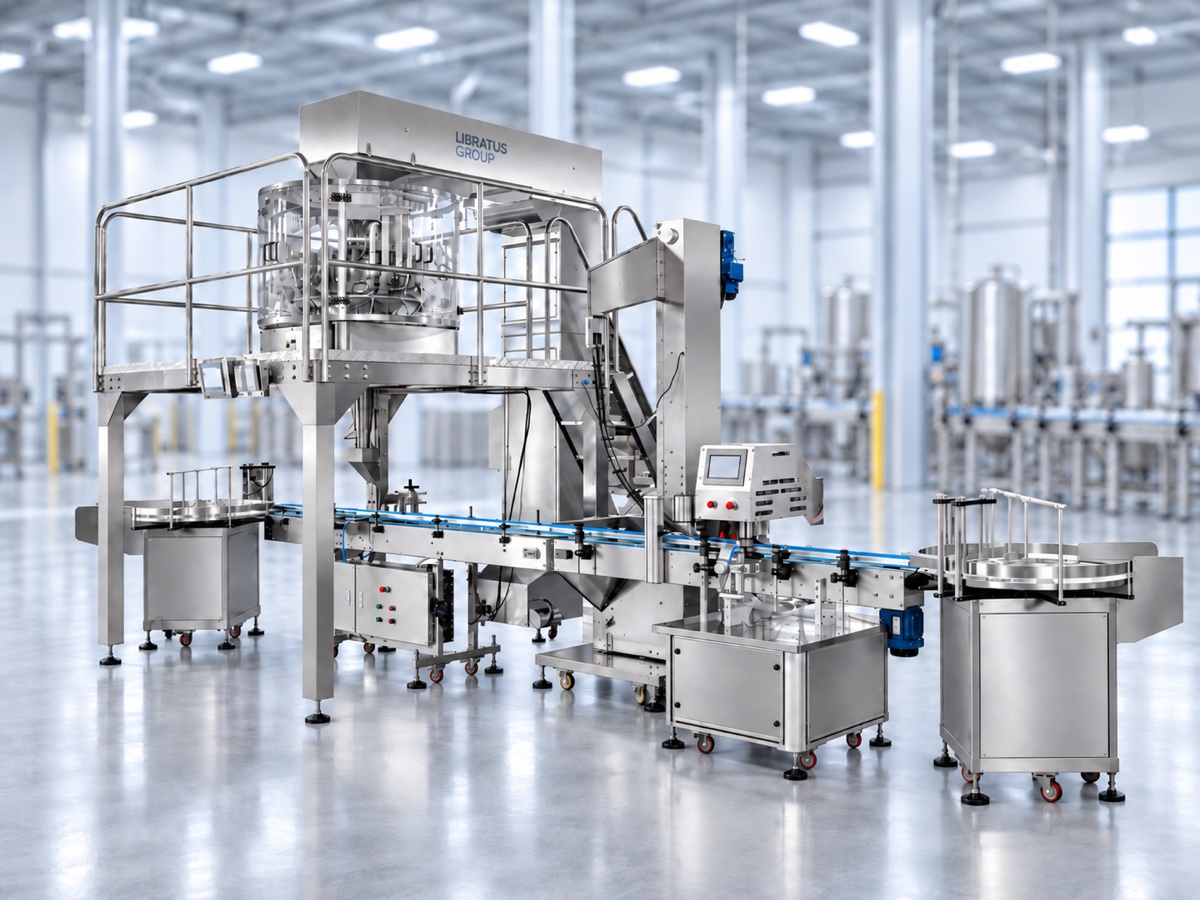
for moving ingredient material between blending, storage and the filling station, with vacuum conveying as one possible configuration within that category.
View Conveying SystemsWhich of these apply to a given ingredient range, and in what combination, is confirmed at specification stage against material information rather than proposed as a fixed bundle.
Selection factors
Libratus does not default to one dosing method for every powder. The starting point is the material itself, not its category:
may suit fine, cohesive, or moderate-to-high-density powders where screw-controlled dosing gives more consistent discharge than gravimetric handling alone — where confirmed appropriate for the specific ingredient.
may be the better fit for free-flowing granules and premixes, based on known material characteristics, flow behaviour, bulk density and the target fill requirement.
may justify both methods across different products, each configured and confirmed against its own material specification — this is assessed per ingredient range during specification rather than assumed as a standard combined-line configuration.
Libratus does not present auger filling as the universal answer for powders, and does not assume that a single hopper, screw or dosing configuration will suit every ingredient in a customer’s range. The appropriate configuration is confirmed against material and specification information during specification.
Pack formats
Sachet and small-format roll-film formats are common for functional and flavouring powders. Other fill weights and pack formats used across bulk-ingredient supply are considered case by case against the material and customer requirement, rather than assumed from this page. Line configuration also depends on whether an operation runs a single dominant SKU or a high-changeover mix across several ingredient types, which affects how much of the line needs rapid changeover versus dedicated single-product operation.
What we need from you
If physical assessment is needed, Libratus will advise on the appropriate route during specification.
Documentation
Documentation requirements depend on the machine, the destination market, how the equipment will be installed and used, and the customer’s own requirements. These are established during specification. Libratus confirms what is supplied for the machine under consideration once that specification is agreed; there is no universal compliance package applied uniformly across every ingredient line.
Enquiry
Share details of your ingredient range — material characteristics, known bulk density, target fill weights, pack format and destination market — and Libratus will work through the appropriate dosing method and machine configuration with you.
All industries