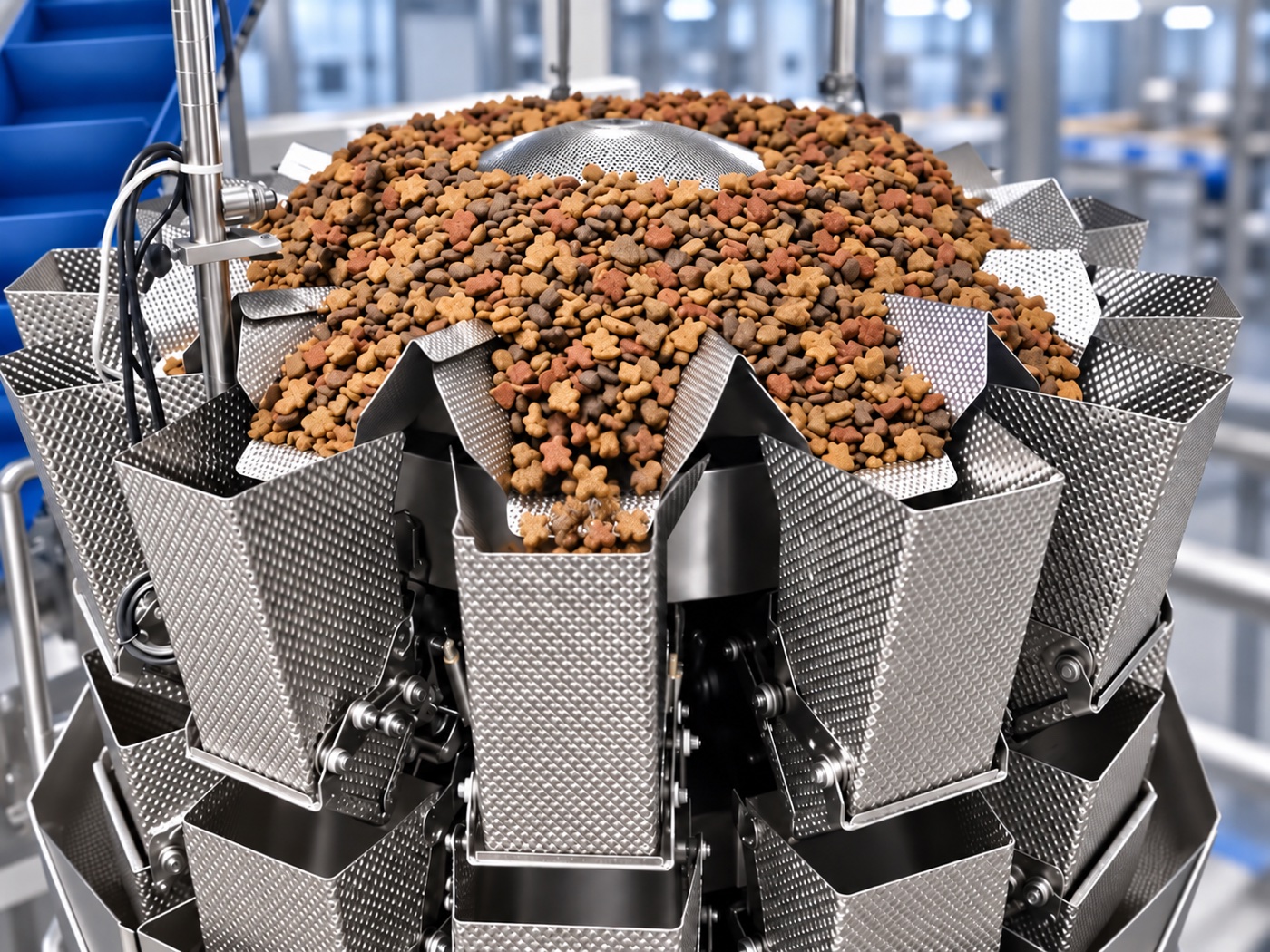
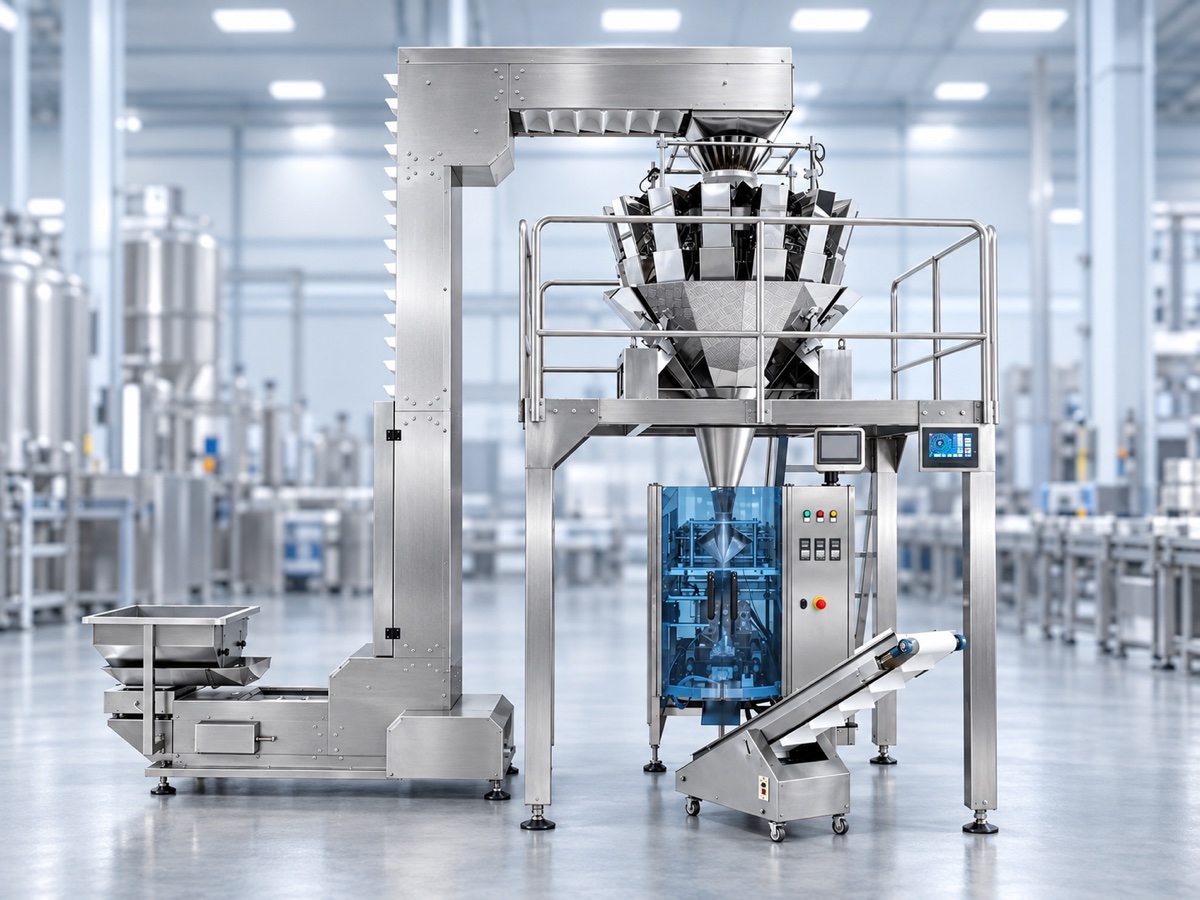
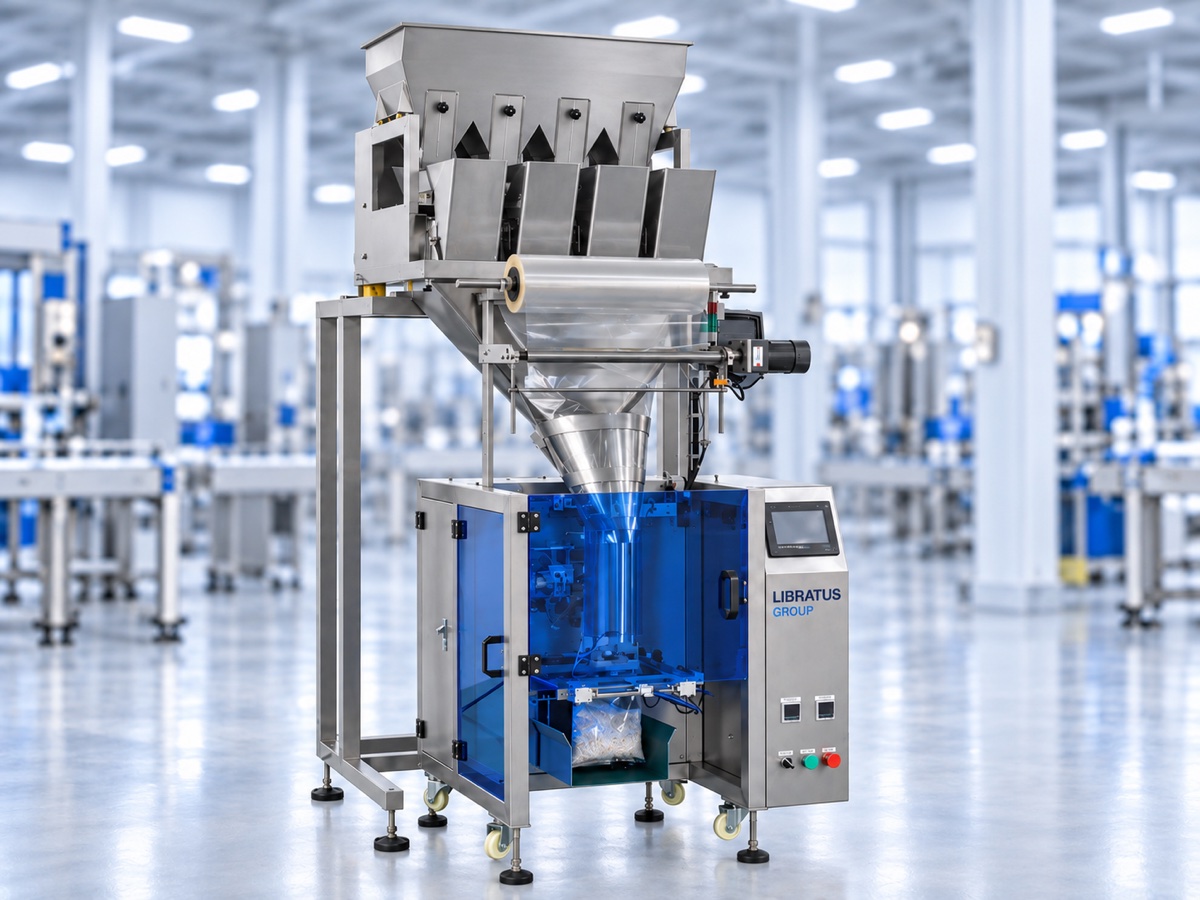
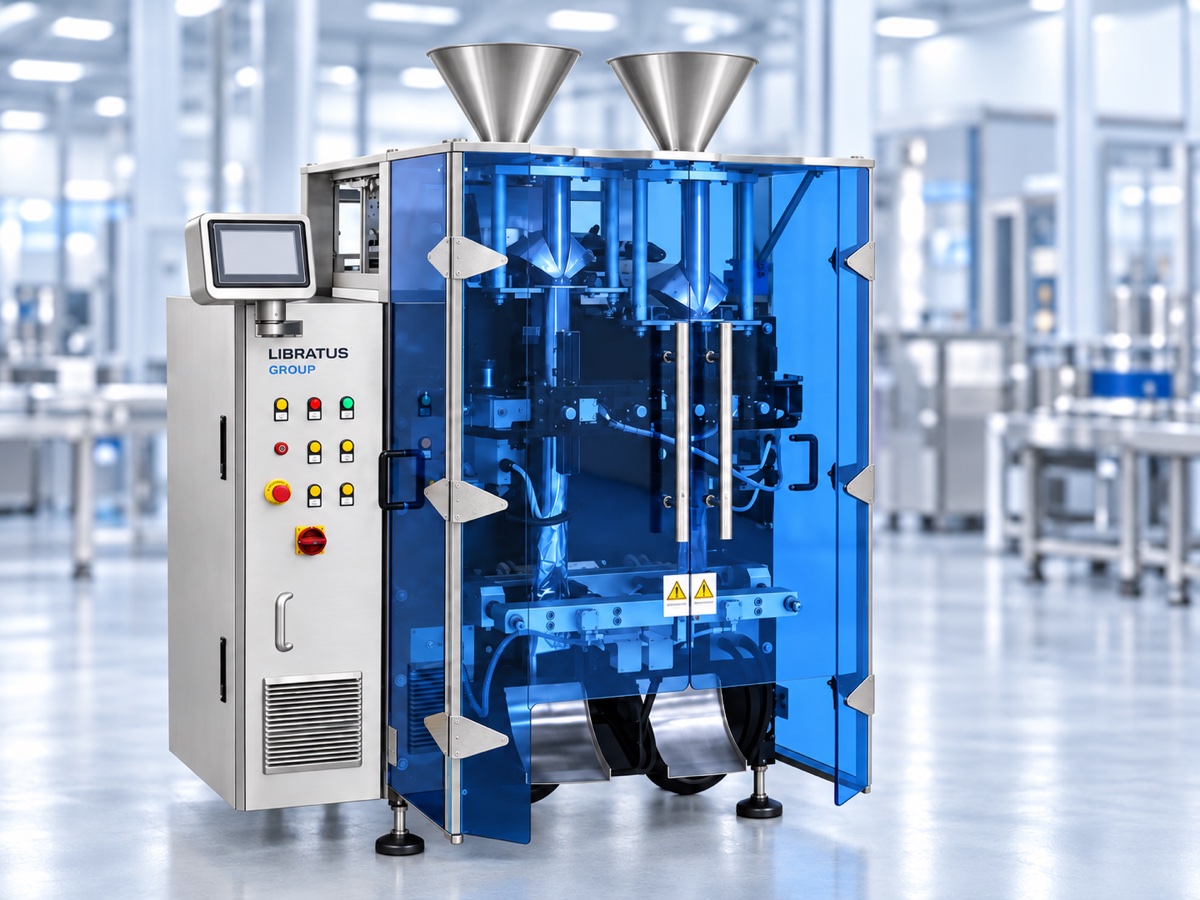
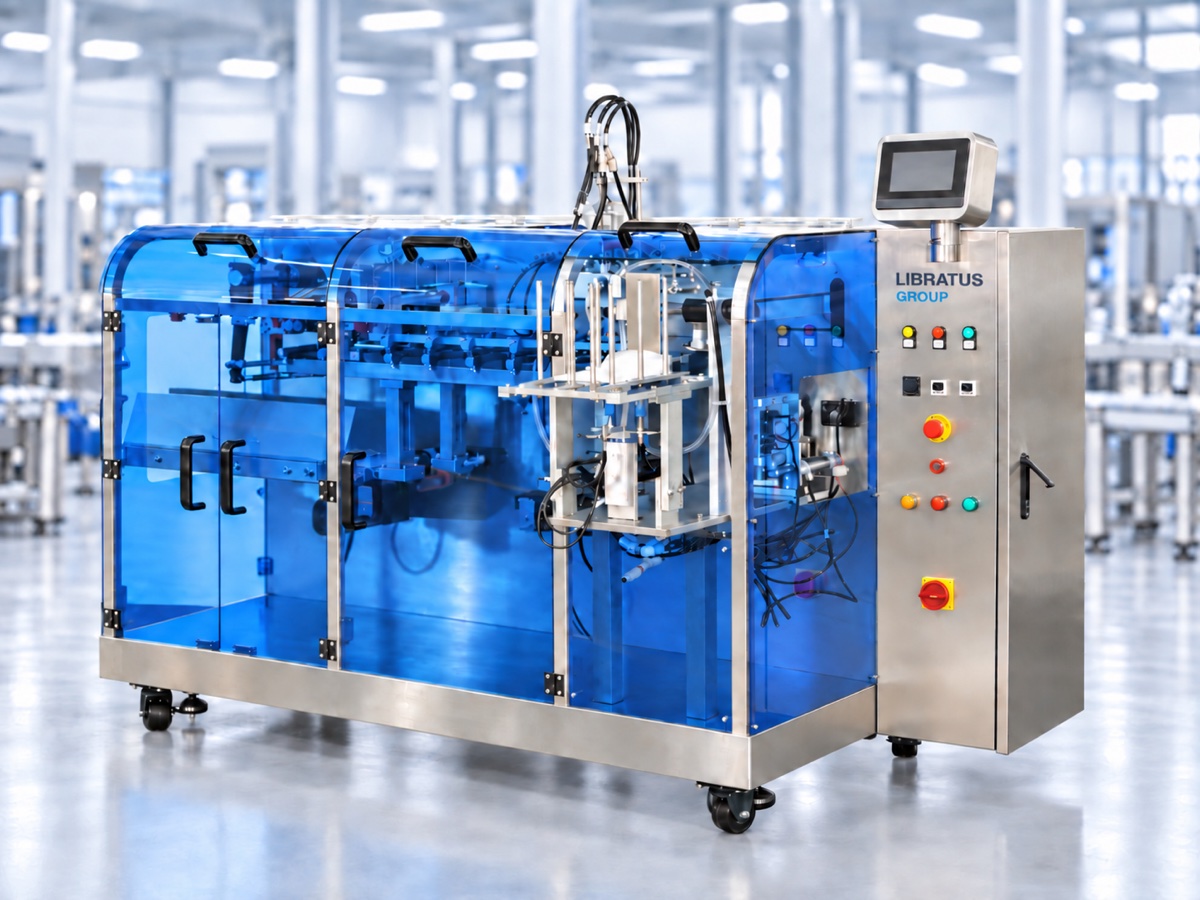
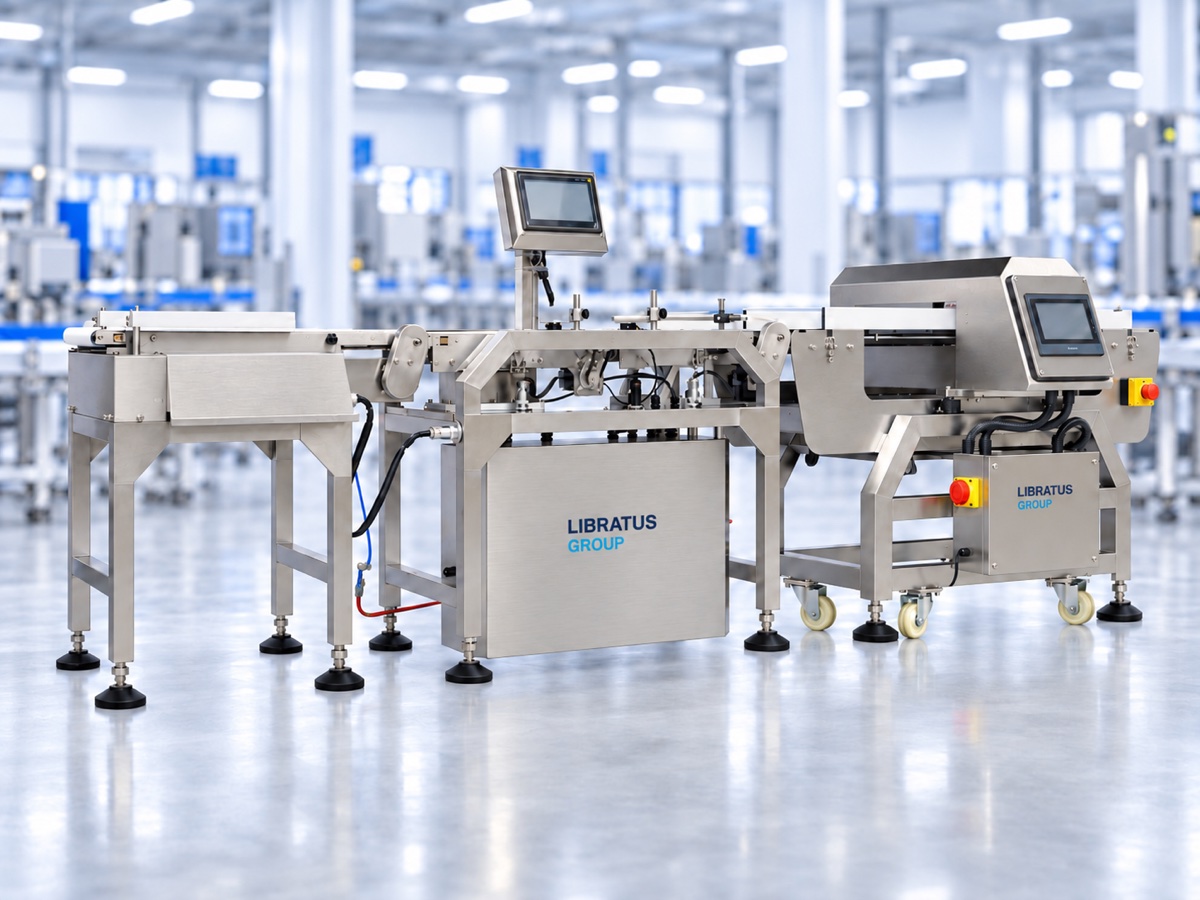
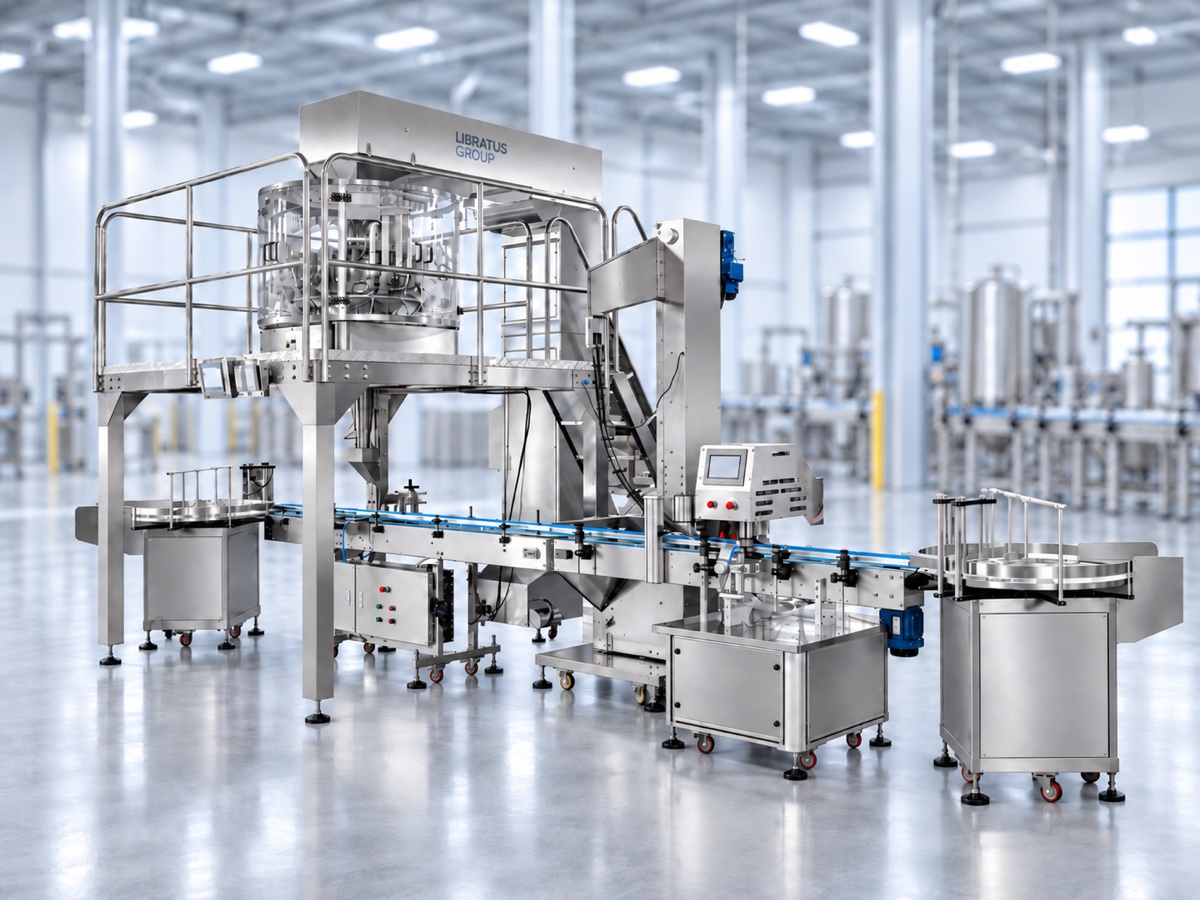
Pet and animal product manufacturers are unusual in packing an exceptionally wide range of weights and material types under one roof. A treat sachet and a twenty-kilogram kibble bag are both retail products, but very little about the way they are weighed, fed and closed is the same. Where a single machine is asked to cover an extreme range, the ends of that range are often the ones that suffer — in accuracy, in changeover time, or in the amount of manual handling that quietly remains.
Libratus manufactures weighing, filling, sealing and conveying machinery and supplies it as a specified configuration rather than a catalogue item. We work from the product, the target weights and the pack formats you actually sell.
Where the investment decision usually comes from
Pet manufacturers rarely automate because of a single event. The decision tends to arrive when several pressures land at once.
Range growth outpaces the packing room.
A producer who started with two bag sizes finds themselves running eight or ten SKUs across treats, adult, puppy, grain-free and breed-size variants. Manual packing scales badly against SKU count, because every additional variant adds setup time, weighing variation and stock handling rather than just volume.
Throughput reaches the limit of manual packing.
Hand-weighing and hand-filling has a ceiling that is reached long before the ceiling of demand. Beyond that point, additional output comes from longer hours and more handling, both of which add cost per pack rather than removing it. Manual filling also carries a second cost that is easy to miss: where an operator is working quickly and has no verification behind them, the safe way to avoid an underweight pack is to aim slightly above target. Where that happens, the precautionary margin becomes product given away on every pack.
Changeovers start costing more than production.
A high-SKU producer can lose a significant share of available shift time to setup, cleandown and re-weighing between variants. This is often the constraint that is felt but not measured.
Contract and private-label work changes the standard.
Producers packing for retailers or brand owners inherit their customers’ expectations on pack weight consistency, seal integrity and traceability. Contract packers in the region frequently pack for export as well, which means one line must satisfy several different customers’ pack-presentation and documentation requirements.
Premium formats arrive before the equipment does.
Resealable stand-up pouches, smaller trial packs and multi-size ranges are commercially attractive, but they are difficult to fill consistently by hand and expensive in wasted product when filled generously.
None of this is unique to pet food. What is distinctive is the combination: high SKU count, very wide weight range, and materials that behave differently from each other in the same building.