
Powder filling
Why are my powder fill weights inconsistent?
Use a production weight record to trace powder fill variation to the material, the feed, the dosing step or the way packs are weighed.
Find the moment the weights start changing
The first packs look right. Then the hopper is topped up and the next few come out lighter. By the time someone checks again, the weights have settled. That timing is useful evidence, even when you still have to work out what caused the change.
Record consecutive pack weights from a normal run. Keep the target, pack format, product batch and the time of each reading. Mark start-up, refills, restarts and product changes on the same record. Check how net product weight was established, including how empty-pack weight was handled and which scale or checkweigher was used. A single average can hide the swings that matter.
Follow the powder from supply to pack
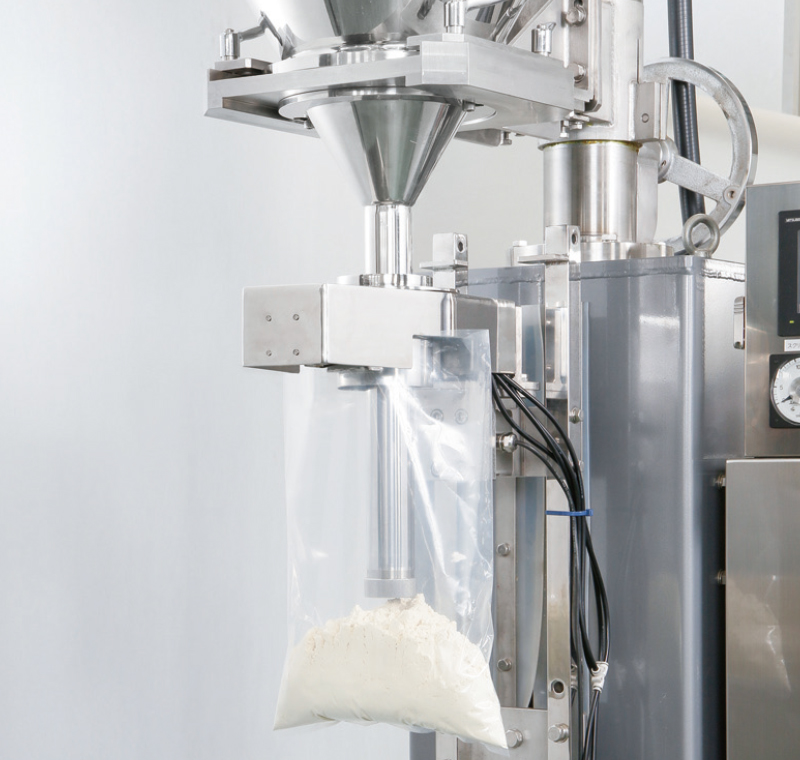
An auger moves a volume of powder with each dose. The same volume can weigh differently if the powder is aerated after mixing or conveying, or settles while it waits. If the pattern changes after refilling, note how the material arrived and how long it had been held. If the weights change as the hopper empties, note the fill level and any visible sign of clumping or interrupted flow. Treat these observations as clues to test. All-Fill’s explanation of auger dosing and density and Australian supplier guidance on powder feeding give examples of these effects.
Take observations from the normal operator position or existing records. Ask the equipment supplier or your maintenance team to investigate anything that needs access inside the machine.
Use the pattern to decide what to test next
- Change after a refill
- Compare the refill time, source batch, supply method and the sequence of weights before and after it.
- Drift as the hopper empties
- Compare weights at different fill levels. Ask whether the feed into the dosing zone remained consistent.
- Scattered weights across the run
- Check the scale, tare method, sample handling and whether the readings combine different batches or formats.
- Change after a restart
- Compare consecutive packs after several stops and note how long the process had been idle.
Use the repeated pattern to agree what a supplier should reproduce in a trial. A few stable fills are a start. Include a refill or restart if that is when the problem usually appears.
Bring the right evidence before changing equipment
Take the weight record, representative product samples or a specification, target pack weight, range of formats and the rate you need to sustain. Explain how the powder is mixed, transferred and replenished. Agree in advance what variation you can accept and how the trial will record outliers, rejects and output.
Ask what can be resolved by improving the feed or checking the existing process. If the powder’s behaviour still limits the result, use the trial to assess whether auger dosing with suitable weight checks or a weight-based filling method is appropriate for your application.
Continue your research
Your application
Discuss your project
Share the powder type, target weight, pack format, throughput and a short record of when the weights begin to drift.