
Conveying
Why are finished packs backing up after bagging?
Find where finished packs first wait. Then compare what comes out of the bagger with what the next stage can accept.
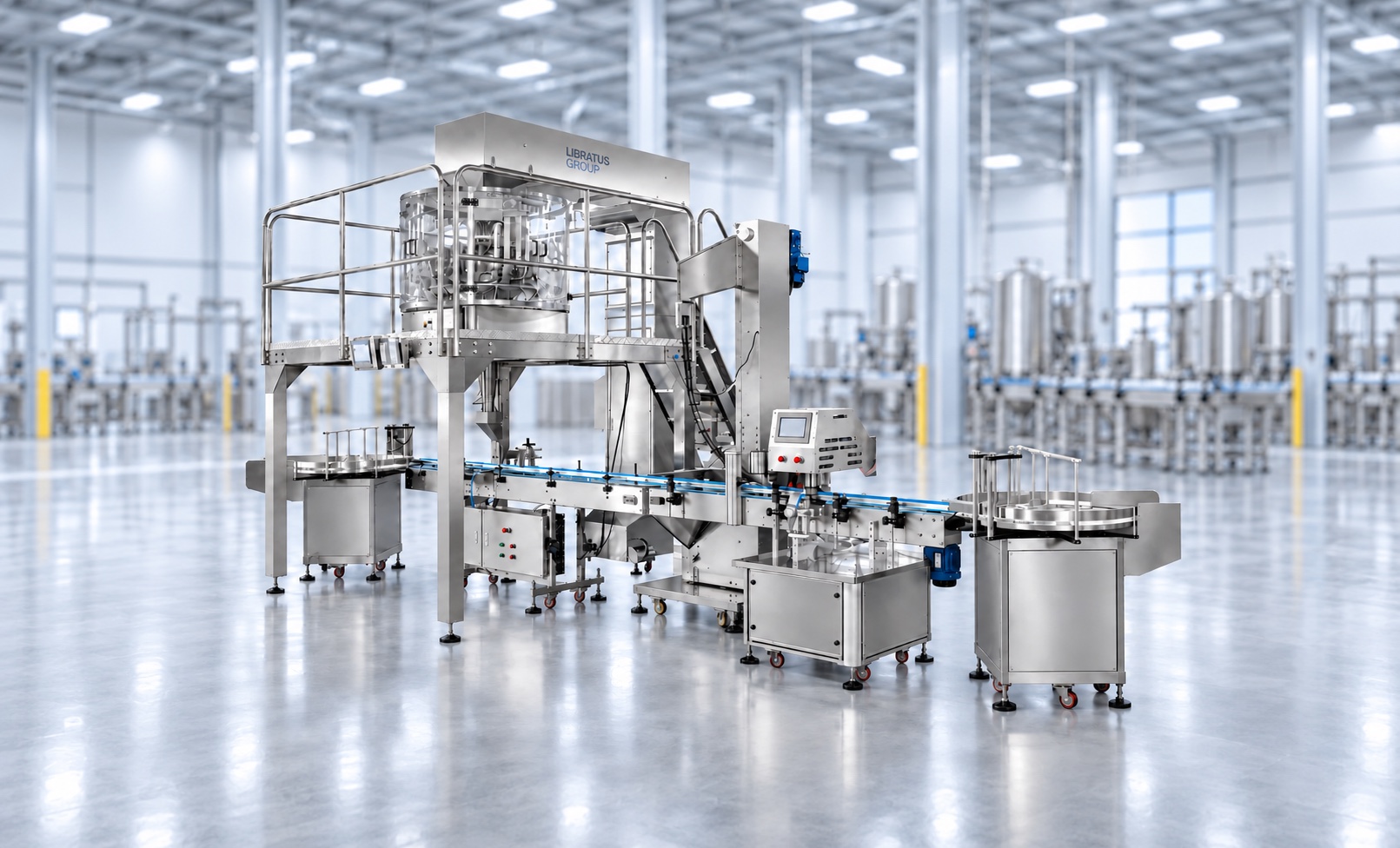
Observe where the queue starts
Watch a normal production run and record the first point where packs wait. Note which machine is running, stopped or waiting for product. The queue may start at a transfer, inspection point, case packing station or palletising infeed. Record the sequence before deciding which equipment to change.
Compare flow during a full run
Count good packs leaving the bagger and entering the next stage over the same period. Include short stops, changeovers and the restart after each interruption. If the downstream stage consistently takes fewer packs than the bagger produces, decide how to address that rate difference. If the gap occurs mainly during short interruptions, assess how much temporary accumulation the line needs.
Check how the pack behaves between machines
Describe how the filled pack travels and what orientation and spacing the next machine requires. Record slipping, tipping, overlap, damage or changes in shape. Note available floor space, transfer heights and access. Agree how the stages signal when they are ready, blocked or stopped. Supplier case on downstream constraints and conveyor layout.
Send a sketch of the route
Include the first queue point, the equipment on either side, pack dimensions, infeed and discharge heights, output and typical stop duration. A short video of a normal run or a recurring stoppage can help explain the brief if you can record it safely.
Explore the relevant equipment
Your application
Discuss your requirements
Send the details you have so we can discuss the next step for your line.
Discuss your project